
Shelters
Shelters are overnight facilities where rough sleepers can access services to help them get off the street.
About
Shelters (previously referred to as Safe Spaces) were created to help address the shortage of shelter beds and support individuals who no longer wish to sleep rough on the streets. The City currently operates five shelters, offering overnight accommodation, access to ablution facilities, and secure storage for personal belongings.
Each person who makes use of a shelter is assigned a:
- storage locker;
- bunk bed;
- sleeping bag and blanket;
- wellness pack containing hygiene essentials; and
- refreshment pack containing, sugar, milk, coffee and tea.
The sites also have 24-hour security.
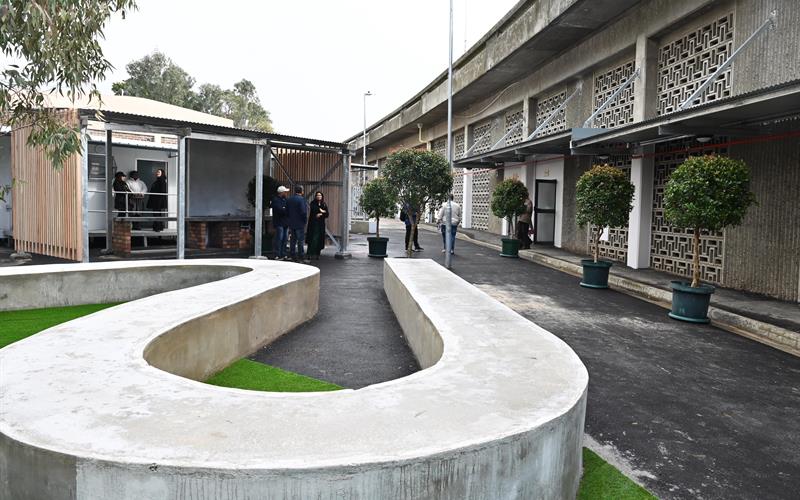
Ebenezer shelter outside area.
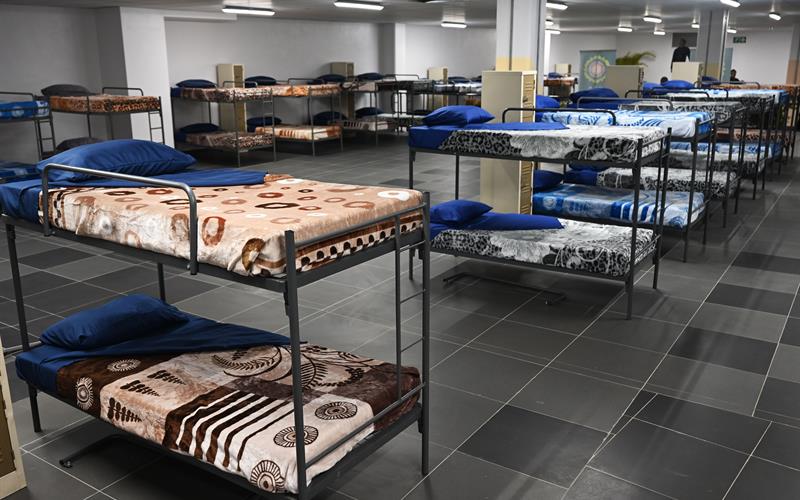
Sleeping quarters at Ebenezer shelter.
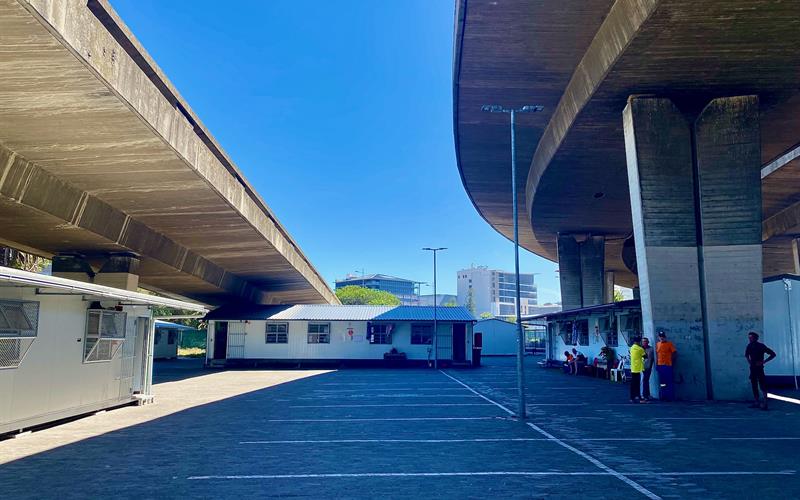
Culemborg shelter.
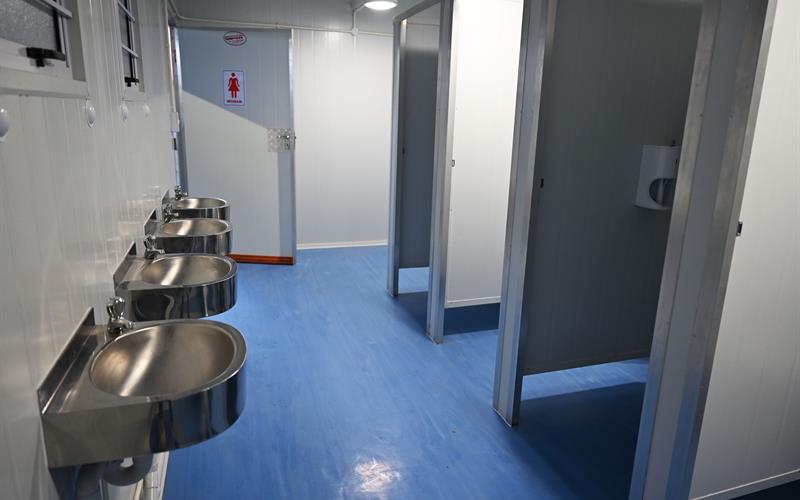
Ablution facilities at Ebenezer shelter.
Ebenezer shelter outside area.
Find a shelter
The shelters are:
| Facility | Location | Bed space |
|---|---|---|
| Culemborg 1 | Under the N2 flyover, Foreshore (next to Toyota) | 130 beds |
| Culemborg 2 | Under the N2 flyover (next to Ford) | 280 beds |
| Ebenezer | Municipal Depot, Ebenezer Road, Green Point | 300 beds |
| Paint City | Robert Sobukwe Rd, Bellville | 220 beds |
Benefits
The use of a shelter is entirely voluntary, and the benefits for people sleeping rough include:
- access to on-site social workers;
- a secure and safe area to sleep;
- a drug-free/alcohol-free/weapon-free space;
- clean water and ablution facilities;
- storage facilities to keep their possessions safe; and
- two meals per day.
Did you know?
We partner with organisations to bring their services (clothing donations, pop-up kitchens, etc.) to shelters.
Services
People sleeping rough who make use of a shelter can access the following:
- Assistance with obtaining identity documents and social grants;
- Assistance with personal development plans;
- Donated food and clothing;
- Medical assessments, HIV testing and support with substance abuse rehabilitation;
- Referral to specialist social services, if required;
- Relocation to place of origin;
- Reintegration into society;
- Reunification with family members;
- Short-term job opportunities through the Expanded Public Works Programme (EPWP).
Clients are also able to access training and development opportunities, such as:
- life skills;
- entrepreneurship programmes;
- family strengthening programmes;
- youth skills development (over 18s only).
How many people live on Cape Town's streets?
According to the census 2022 report, we have over 6 600 people sleeping rough on our streets.
These statistics help us determine how to improve social development interventions and sustainable planning for facility enhancements for people sleeping rough.
PLEASE NOTE
Shelters do not accommodate children (under 18s). For more information on the welfare of street children, contact the Western Cape Government Department of Social Development.
Strategy to Reduce Rough Sleeping
To strengthen our approach to people sleeping rough on the streets, the City adopted the Strategy to Reduce Rough Sleeping.
The Strategy is built around three core pillars:
- Prevention – Early interventions to reduce the risk of people entering homelessness.
- Intervention – Providing structured responses through the establishment of city-owned shelters with developmental services.
- Collaboration – Working closely with communities, NGOs, and other government stakeholders for integrated solutions.
Street People Programme Unit
Shelters complement the existing services and opportunities that the City's Street People Programme Unit has been offering people sleeping rough on the streetsfor many years.
Our Field and Reintegration Officers actively engage with people in areas most frequented by rough sleepers, informing them about available services and supporting those who choose to access these options.
Participation in these services is entirely voluntary, as living on the street is not a crime, and no one can be compelled to accept assistance.
How you can help
We are committed to working with residents to find sustainable solutions for people sleeping rough on the streets. We welcome support from concerned individuals, community groups, and non-governmental organisations who wish to contribute services or donations to our shelters.
Thanks to the collective efforts of residents, NGOs, private businesses and corporate partners, shelters have been able to offer a wide range of support, including:
- clothing;
- food supplies;
- funding for IDs;
- funeral policies;
- hair grooming services;
- skills development and training;
- temporary and permanent job opportunities;
- toiletries.
Contact us
If you would like to offer your donations and services to a shelter, contact:
Community, Arts and Culture Development Department
Document downloads
Document downloads
Would you like to print this page?