Food safety
Food safety is everyone’s responsibility. You can help us prevent and detect food-borne risks by storing and handling food correctly. Not only will you keep your family and the public safe, but you can also save money and minimise food waste.
General food safety
Food manufacturers add dates to their packaging to ensure you purchase a safe, quality food product. It is important to know the difference between
food date markings.
You will commonly find three different date descriptions on food packaging:
-
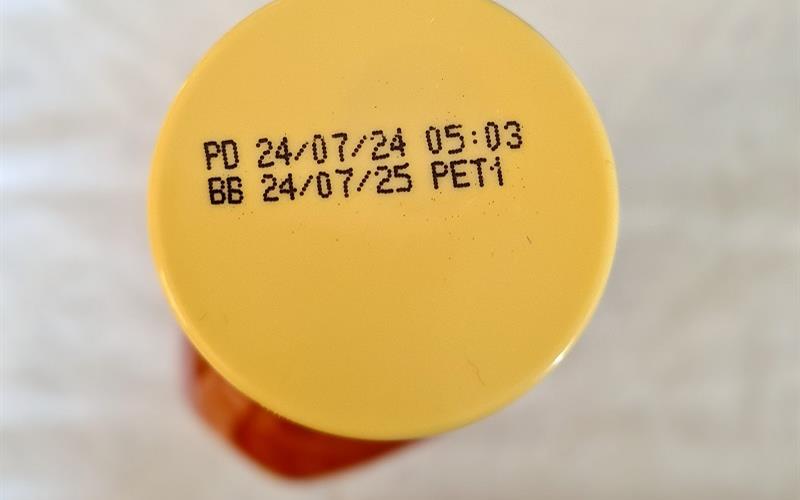
‘Best before (BB)’: generally applies to food that does not require refrigeration (canned goods, rice, pasta, cereal, biscuits etc.)
-
‘Sell by (SB) or Purchase date (PD)’: this is the last date that the food can be sold, but will still be safe for a reasonable period after
-
‘Use by (UB)’: this is the most critical date, and generally applies to meat, dairy or any other product that requires refrigeration. Products that are past their use-by date do not have their safety guaranteed and it is not advisable to eat them.
Food label tips
- Before buying food products, always check the dates on the packaging.
- Follow the recommended storage and product use instructions on the label, e.g. Store in a cool, dry place; refrigerate after opening; once opened, use within three days etc.
- Except for fresh, unprocessed fruits, vegetables, meat, unpackaged fish and ready-to-eat foodstuffs, the South African Labelling Regulations require that all food products are labelled in English, and where possible, a second official language.
- Check the packaging before you buy food products. Do not purchase canned food products that are bulging, rusted, dented or damaged.
- Where applicable, food should be packed, wrapped or sealed to protect the contents.
- Use your senses (sight, smell, touch) to help determine and ensure food products are safe to use and eat.
Food allergies
Common food allergies include peanuts, tree nuts, milk, wheat, eggs, crustaceans, molluscs, fish and soya beans. The law requires that food manufacturers declare these common allergens on their product labels so that consumers can make an informed decision when they purchase the products.
Top tip
Always check the allergens on the product label before you consume any food products.
Staying healthy
There are steps you can take at home, in the workplace and in your neighbourhood to help prevent the spread of disease. Find out more about
Common environmental health risks and read our
Tips for staying healthy in your environment.
frequently asked questions
Read our Food Safety FAQs for more information.
Download PDF Food safety in the home
Food poisoning can be very serious. Learn how to notice, prevent and seek treatment for food-borne illnesses.
Visit our
Food safety in the home page for more information.
Regulations for food businesses
In order to operate your food business lawfully, you must have a
licence and comply with certain
regulations.
The
City Health Department works together with businesses that produce, prepare and/or serve food to ensure
hygiene and safety regulations are met and the public is not exposed to contaminated, unsafe or incorrectly labelled foodstuffs.
Environmental Health Practitioners (EHPs) visit business premises to conduct environmental health inspections at least twice a year, and will visit more regularly if they discover non-compliance.
If you would like to ensure that you have met all compliance requirements, you can
request an environmental health inspection.
Would you like to print this page?
print