
Proposed amendments set to change the game for problem buildings
28 February 2019
First introduced in 2010 and given effect by the establishment of the Problem Building Unit within Law Enforcement, the Problem Building By-law serves to deal with properties that have become derelict or crime havens, as defined by the regulations in the by-law.
Currently, the unit has a caseload of 1 671 properties that are in various stages of investigation. There are 172 properties that have been declared as problem buildings on its database.
In the period between July and December 2018, the unit received 63 new complaints, closed 151 cases and issued 114 notices to property owners to inform them that a formal investigation had been launched.
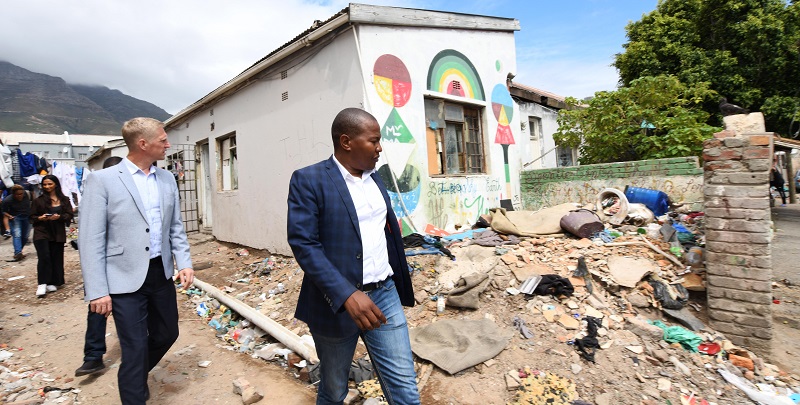
While there have been numerous successes, the proposed amendments hope to give the Problem Building Unit more scope to address issues emanating from problem buildings.
‘There is no question that the Problem Building Unit has made enormous strides since inception. Big wins included Senator Park in the CBD and Bellona Crescent in Somerset West, although these were not walks in the park. Wright Street in Woodstock is the flipside of the coin.
‘Tracking down building owners to hold them to account is possibly the biggest stumbling block. Where an owner is deceased and the estate is without executor, it becomes virtually impossible to act, to the detriment of neighbours and communities who have to live with the problem. Another challenge is where the building is illegally occupied, like Wright Street. So, we have workshopped a series of amendments to try and address these issues in the hope of expediting problem building cases,’ said the City’s Mayoral Committee Member for Safety and Security, Alderman JP Smith.
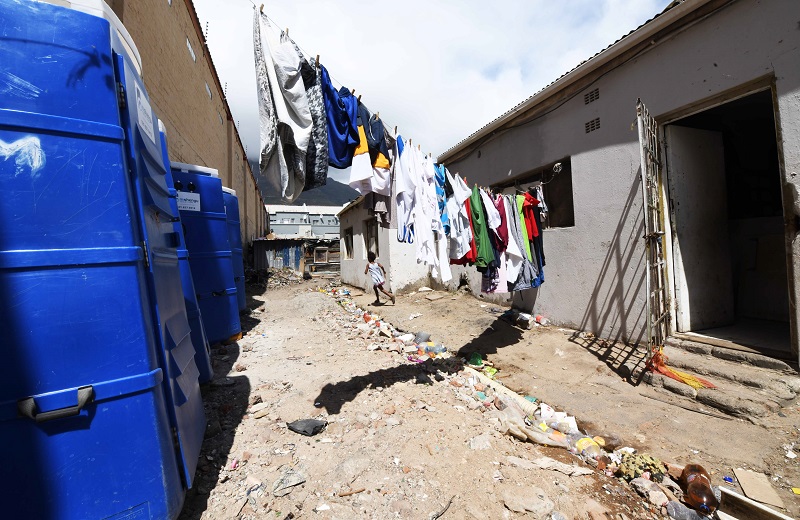
The proposed amendments include:
- Clearly spelling out the duty and liability of property owners in relation to their properties
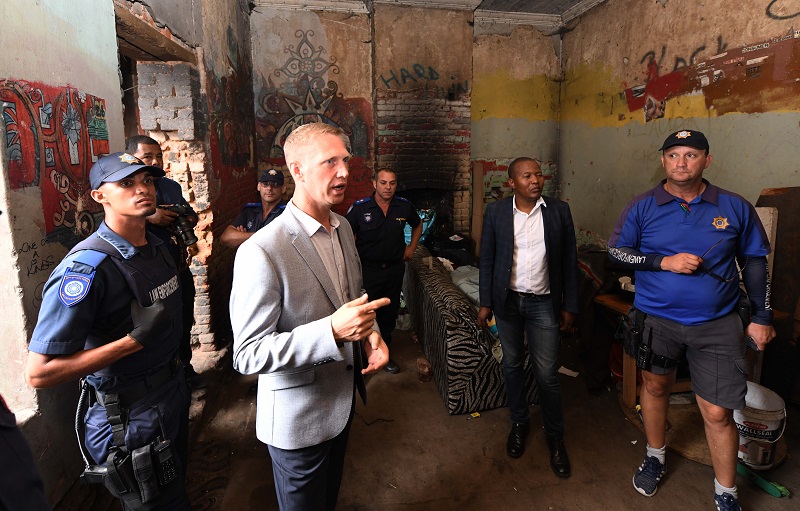
- Granting greater powers to the Problem Building Unit to act in instances where problem buildings are identified, including securing court orders to evict illegal occupants
- Making provision for a court-appointed administrator in cases of deceased estates without an executor
- Increasing the monetary value of fines that can be imposed for non-compliance
- The public participation process will run from 1 March until 31 March 2019. Interested parties can make submissions online at www.capetown.gov.za or view the draft by-law at their local library or subcouncil office. Written submissions can be delivered to the nearest subcouncil office.
‘Problem buildings are a thorn in the side of many communities. We have spent a lot of time reworking the by-law in the interest of public safety and service delivery, so I encourage residents to engage with the draft by-law and submit their comments. The more inclusive the process, the more likely we’ll be to end up with a by-law that helps dissolve this headache far more effectively,’ said the Chairperson of the City’s Safety and Security Portfolio Committee, Councillor Mzwakhe Nqavashe.
The Problem Building By-law is one of four by-laws to be reviewed by the City’s Safety and Security Portfolio Committee this year.
Other by-laws that are in various stage of review are:
- The Traffic By-law, which aims to give more powers to Law Enforcement officers
- The Animal By-law, specifically relating to the keeping of animals and managing the spread of disease
- The Film By-law
- The Events By-law and policy
End
Published by: