
Unlawful land occupations leave critical clinic construction projects in the balance
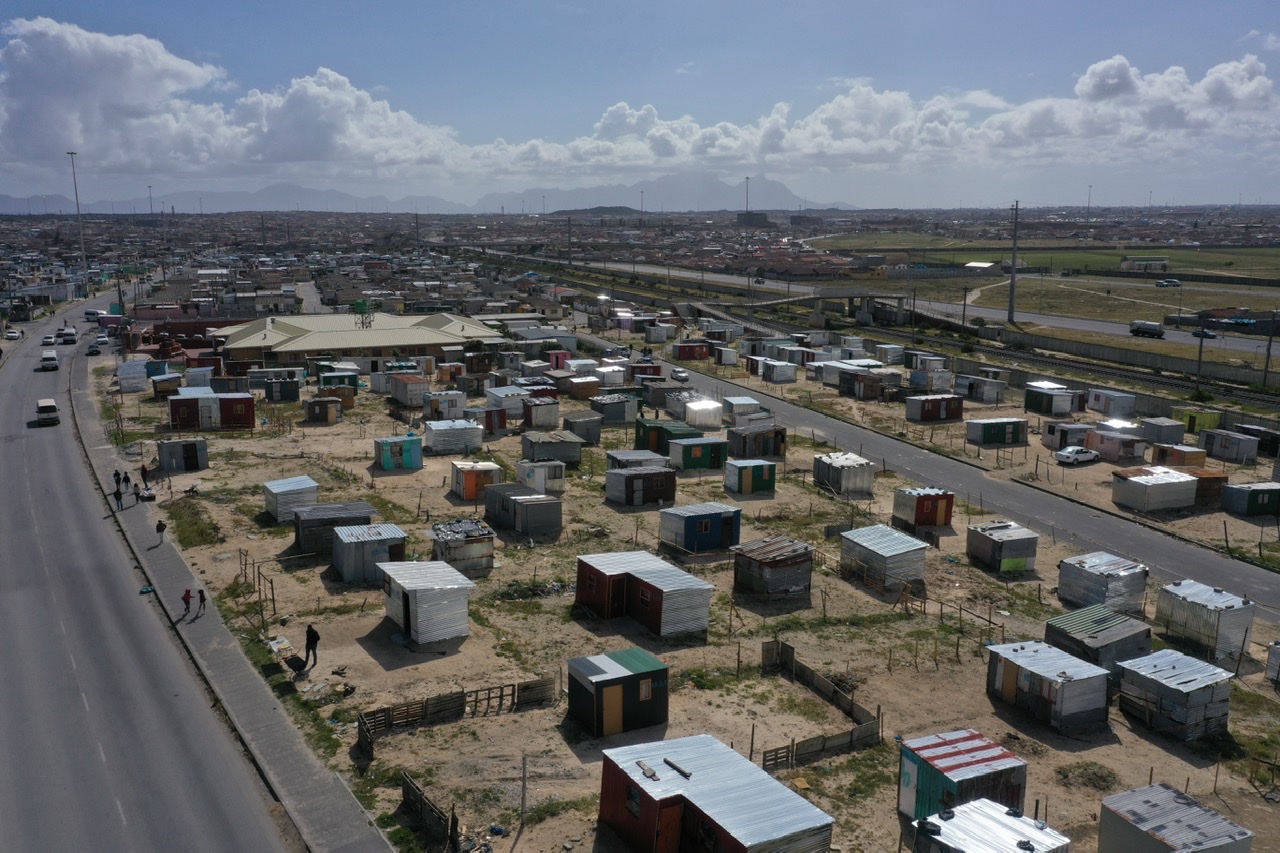
Since a raft of primarily large-scale illegal land occupations started in July, two parcels of land reserved for City Health projects in this financial year, have been affected.
Zakhele Clinic
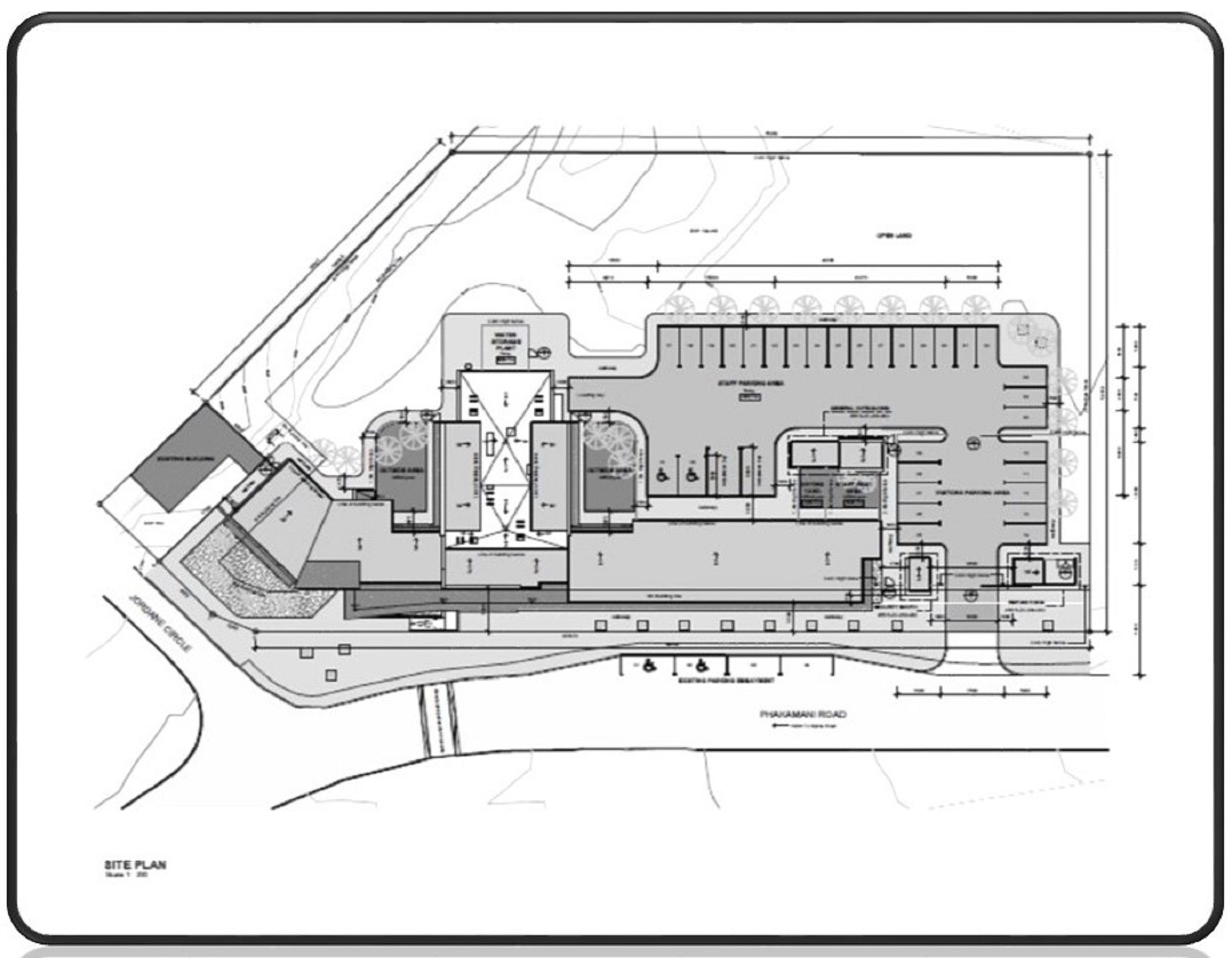
The current facility is only able to accommodate 36 000 clients per annum. It is envisioned that the new facility will have the capacity to accommodate 80 000 clients per annum, which is more in line with the need for health services in the surrounding communities.
The construction of this clinic is due to start in this financial year, with approximately R25,8 million budgeted during this financial year and the next.
In July, the reserved land was staked out for illegal occupation. The City law enforcement agencies removed the pegs.
A court application is currently being prepared to ensure that there is no unlawful occupation of this land, so that construction can begin.
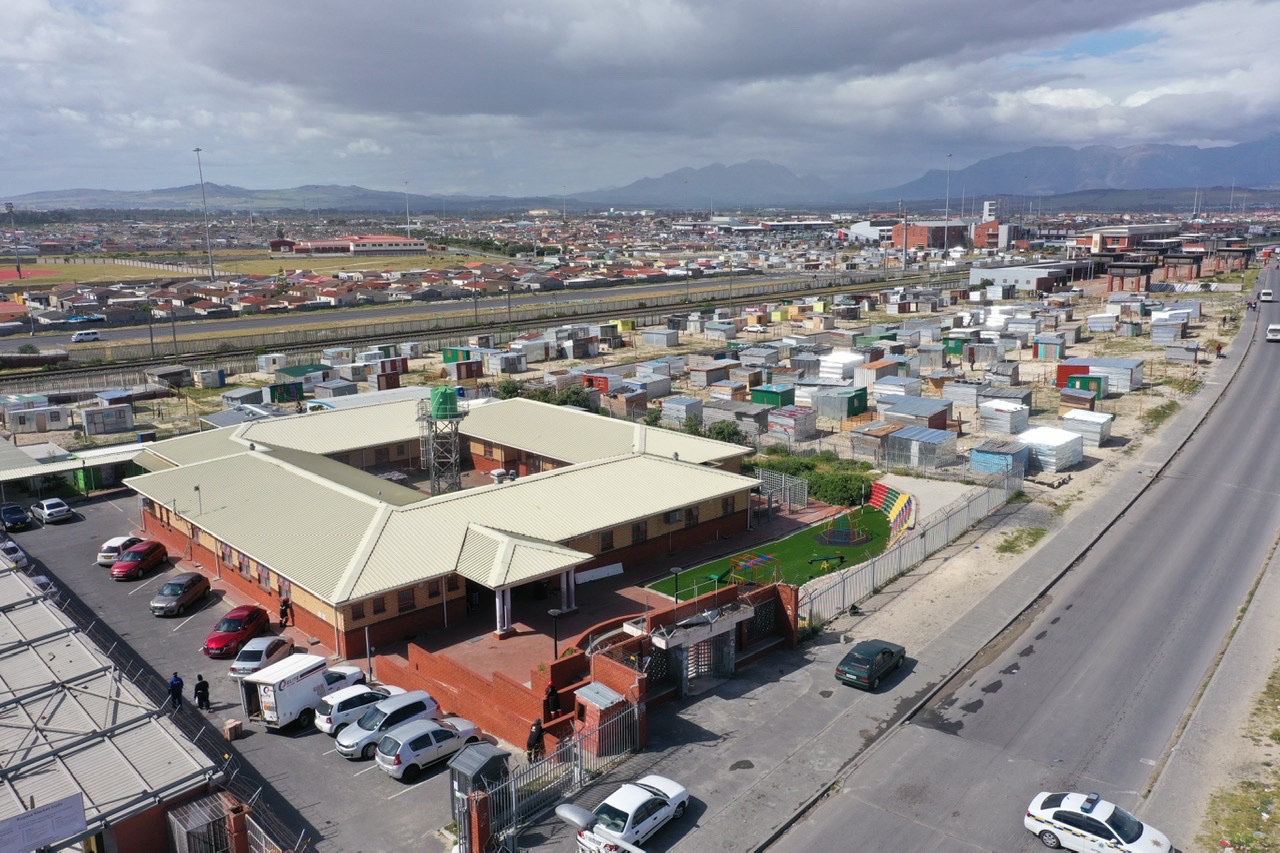
Kuyasa Community Day Centre
The Kuyasa CDC first opened its doors in 2005, and five years later, City Health applied to reserve land adjacent to the clinic for future expansion.
The facility sees on average 80 000 clients per annum, and plans to extend the facility to increase access was budgeted for the 2020/21 financial year.
On 21 July, staff reported that efforts were under way to unlawfully occupy the land. Those responsible for the occupation have since embarked on a campaign to terrorise staff and prevent them from alerting Law Enforcement, including:
- threatening to burn down the clinic
- demanding access to ablution facilities
- vandalism and theft of plumbing fixtures and cables, among other
In September, the City of Cape Town sought legal advice because of ongoing illegal occupancy of the land, and because of continued threats to the staff working at Kuyasa CDC. A court ruling on 6 October stipulates that there be no further invasion of the land adjacent to the clinic, that there is to be no violence towards staff, and that there is to be no damage to the clinic property.
Our staff have taken incredible strain over the past few months. Not only have they had to contend with the COVID-19 pandemic, but also the ongoing taunts and threats to their personal safety. I cannot imagine the trauma they must be suffering as a result – all while trying to meet the health needs of a number of communities in the surrounding areas. As a result, and not surprisingly, we have seen increased absenteeism at Kuyasa CDC, which in turn affects service delivery.
Unlawful land occupations have dominated headlines in recent months. And while no one can dispute the need for more housing opportunities, the behaviour of those unlawfully occupying land meant for services and terrorising anyone who they consider to be standing in their way, cannot be condoned. Their actions have far reaching consequences that do not always receive the focus it deserves, like the fact that improved health services for hundreds of thousands of residents are hanging by a thread; human settlements projects to the value of some R1,3 billion continue to be under threat; large sewer, water and electricity infrastructure projects that will service entire communities, are halted or at risk.
Unlawful occupation hurts us all.
Anonymous tip-offs welcomed:
Residents can give anonymous tip offs if they are aware of illegal activity that is taking place; that has happened or is still to happen. Please call 112 from a cell phone (toll free) and 107 from a landline or 021 480 7700 for emergencies.
End
Published by: