
Taxi enforcement operations net thousands of scofflaws
21 July 2019
The City of Cape Town’s Traffic Service has further ramped up its taxi operations.
Faced with an avalanche of complaints about the behaviour of public transport operators, taxi drivers in particular, the department has been tackling the issue on a number of fronts.
Aside from regular daily enforcement, Operation Reclaim has also been stepped up to track down warrant scofflaws, and a series of taxi blitz operations have been in play since 22 May 2019, which sees the Traffic Service – supported by the Law Enforcement and Metro Police Departments – focus on transgressions in hot spot areas, identified through the number of complaints received.
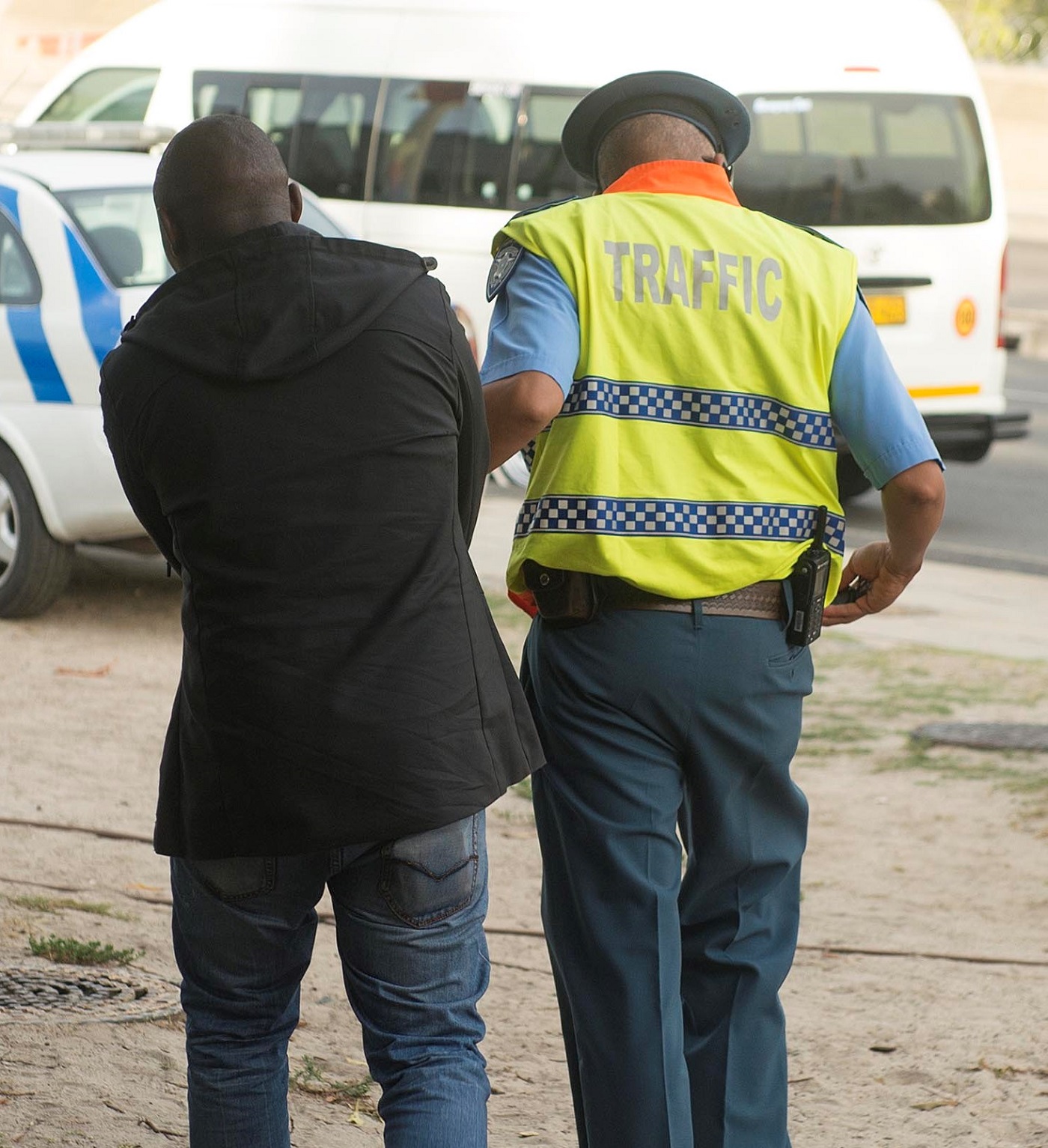
Between May and mid-July, officers have arrested 3 336 taxi drivers with 13 568 outstanding warrants between them, valued at just over R31 million.
In some of the latest incidents this week:
- 18 July 2019: Officers conducting a warrant operation, stopped a minibus taxi on Jakes Gerwel Drive. They recognised the driver as a person who ran away from one of their vehicle checkpoints last year. On further investigation, they found that the 24-year-old man had 43 outstanding warrants to the value of R111 600. The suspect was arrested and taken to Parow SAPS. A fingerprint scan revealed he is also wanted for a reckless/negligent driving case in Woodstock. Two more taxi drivers were arrested later that evening – a 33-year-old suspect with 27 warrants (R82 050) and a 30-year-old driver with 20 outstanding warrants to the value of R46 500.
- 16 July 2019: Officers arrested four taxi drivers during an operation on the N2, with a total of 100 outstanding warrants to the value of R184 000.
‘The numbers are absolutely staggering and I hope it helps bust the myth that there is no enforcement taking place. I also hope that it sends a stern message to those scofflaws who think they are above the law, that they could very well be next, and that it somehow makes them think twice about their behaviour, and their disdain for the law,’ said the City’s Mayoral Committee Member for Safety and Security, Alderman JP Smith.
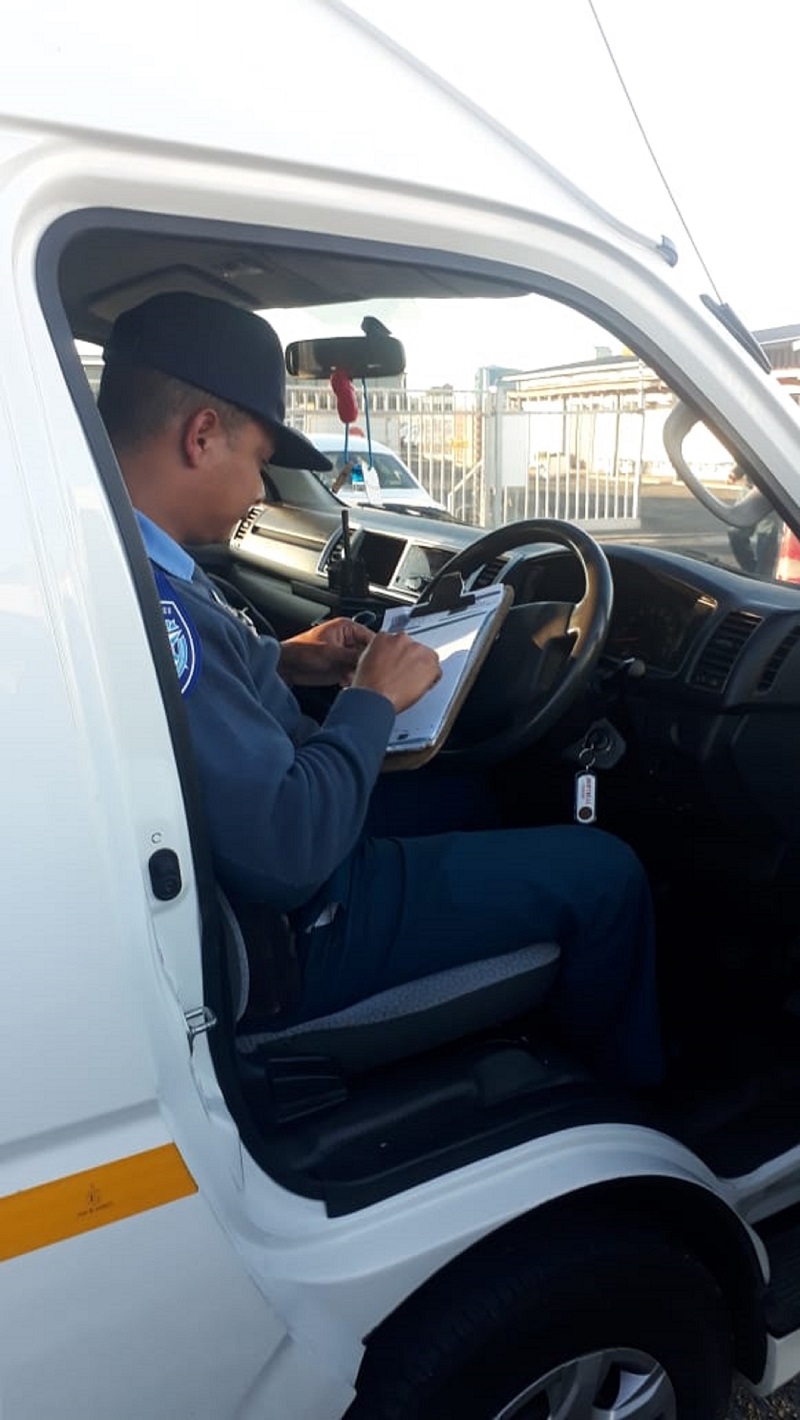
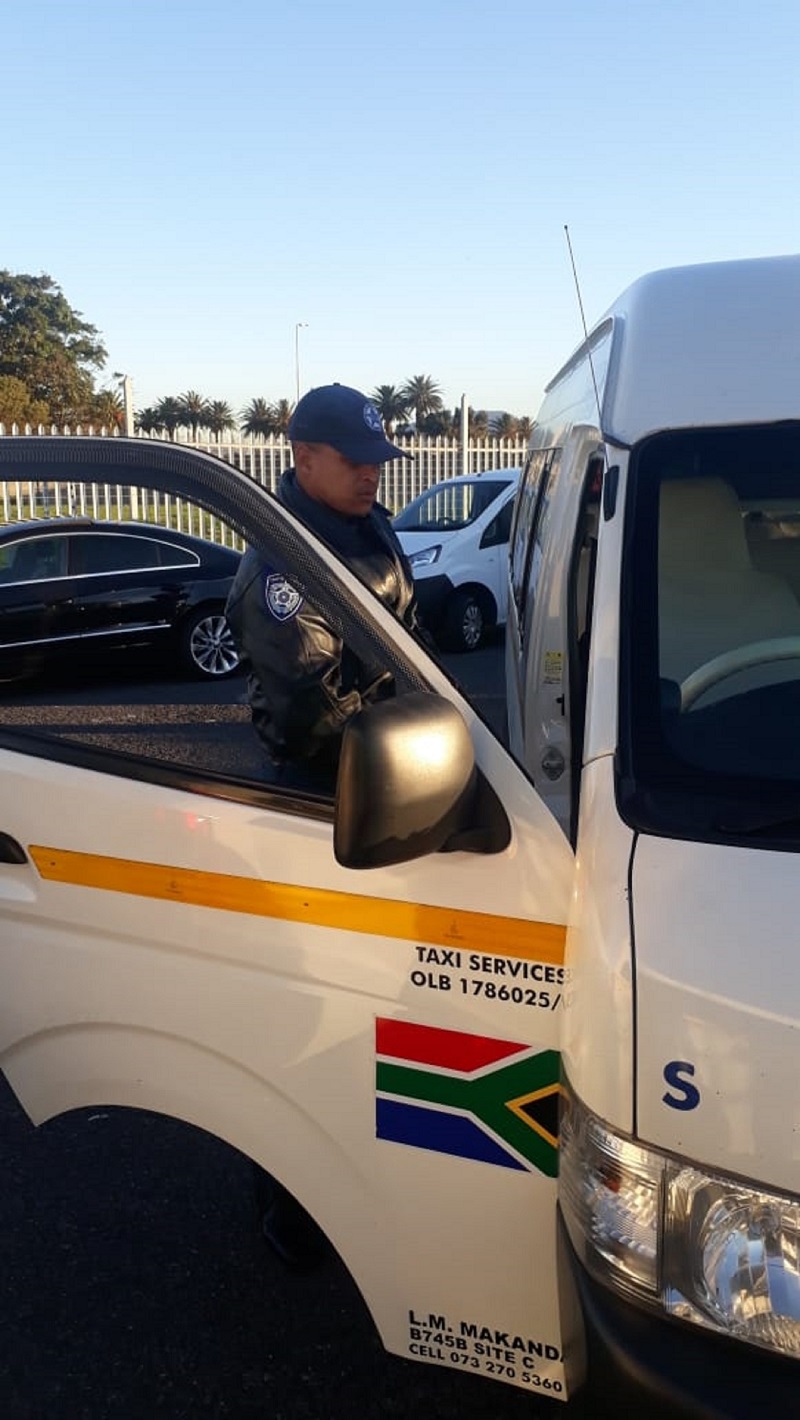
During the same period, 919 minibus taxis have been impounded – either because the driver did not have an operating license, or was contravening the conditions of their license.
On average, minibus taxis remain in the pound for four days, with the longest period of impoundment being 49 days.
The City of Cape Town’s impoundment release fee structure for vehicle impoundments is outlined below:
| Number of impoundments | No operating license (permit) | Contrary to operating license |
| 1st impoundment | R7 000 | R2 500 |
| 2nd Impoundment | R10 000 | R5 000 |
| 3rd Impoundment | R15 000 | R10 000 |
Since the launch of the taxi blitz, one minibus taxi has been impounded three times in the space of three-and-a-half weeks.
‘Based on our impoundment release fee structure, the driver or owner of this vehicle forked out a total of R32 000 to get the vehicle back. When next it gets impounded, he will be hit with another hefty impoundment release fee, but clearly, the money is not an issue. This is why we have continuously advocated for permanent impoundments.
‘To be clear, the impounding of a vehicle comes with a lot of administration and takes officers off the roads for the duration of the process. To have the vehicle back on the road within a matter of hours or days, with the driver continuing with their unlawful behaviour, is utter madness and completely defeats the purpose. The taxi industry is a crucial cog in the public transport wheel, but it needs to do better, both for its passengers, but also the safety of fellow road users. In the absence of that we need stronger laws to tackle this issue once and for all,’ added Alderman Smith.
End
Published by: