
Speech delivered by Executive Mayor Dan Plato at the Lightfoot Memorial
13 March 2019
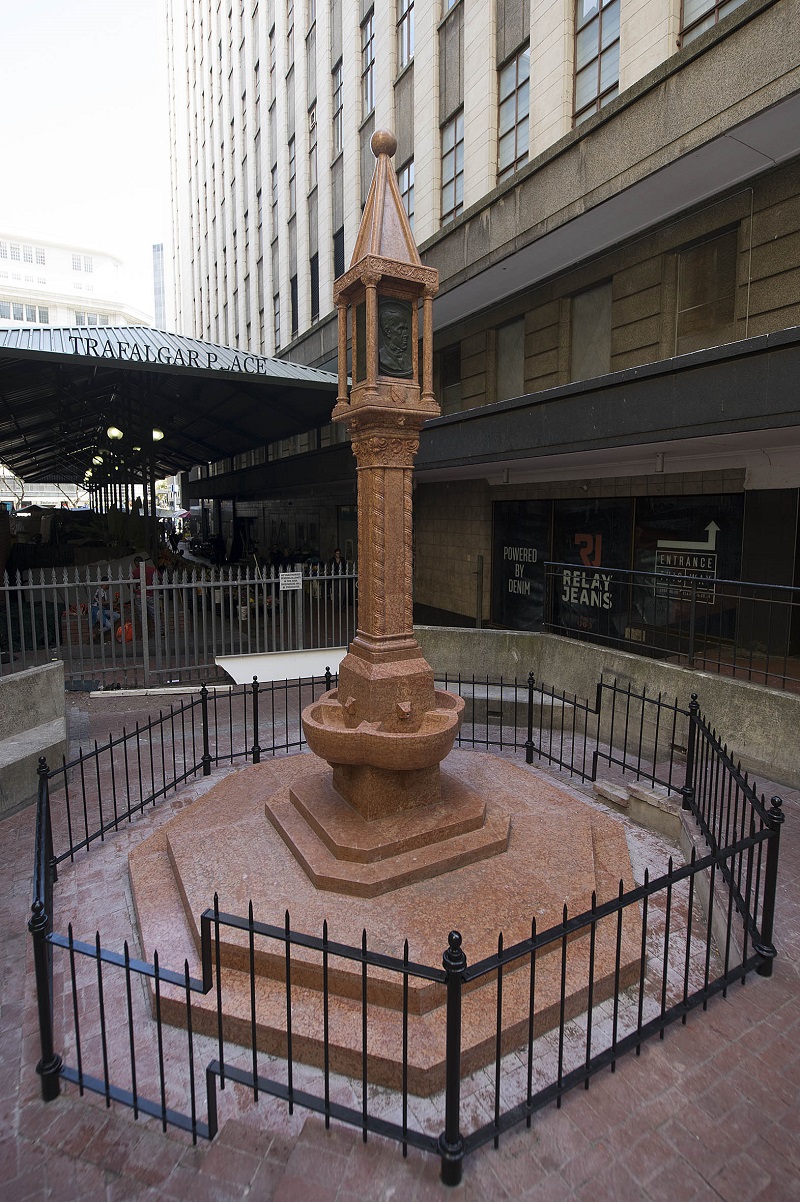
Good morning. I’d like to welcome everyone to this unveiling of the restored statue of Archdeacon Lightfoot.
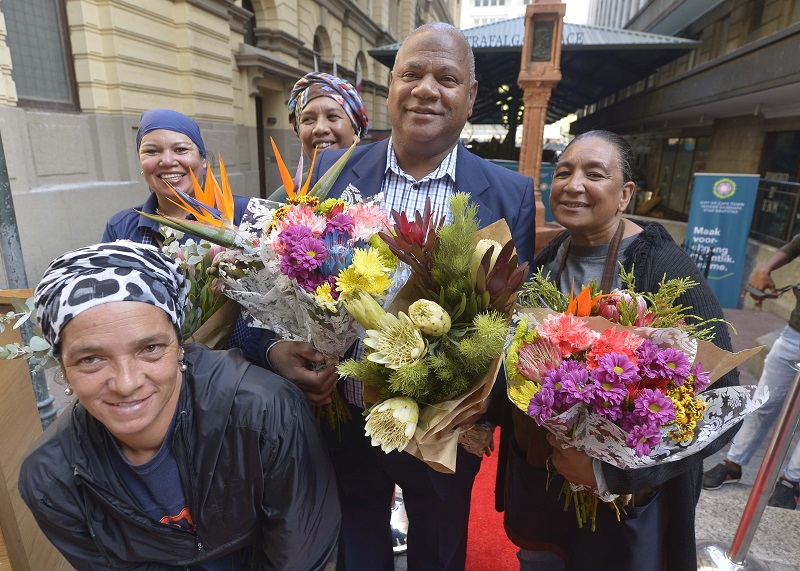
I would like to say a special welcome to the beautiful flower sellers who have worked alongside this memorial for decades and have seen the many changes in Cape Town over the years.
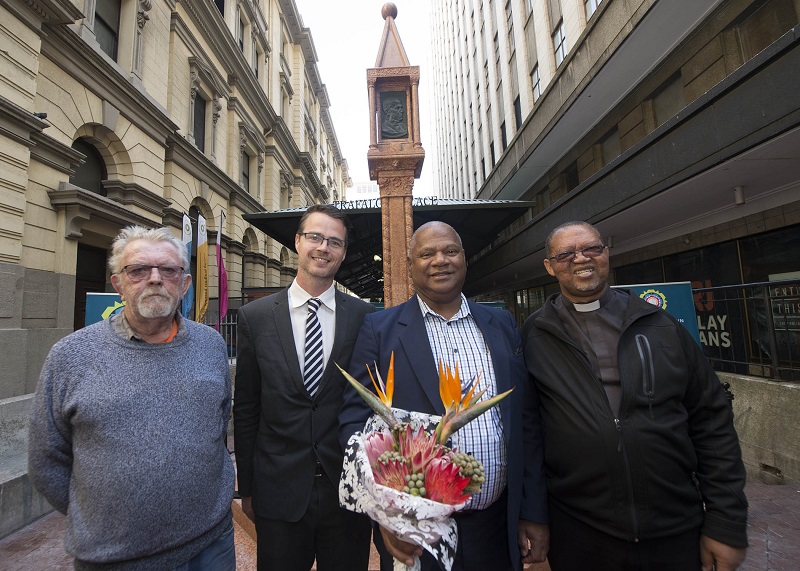
Councillor Dave Bryant has led this project, which is aimed at preserving a piece of Cape Town’s history. It has been a special project of Councillor Bryant’s to restore the monument which, over the past century, had become weather-worn and was in need of maintenance.
It is important for us to acknowledge those positive historical figures who spread their light in difficult times. Archdeacon Lightfoot fought against injustice and championed the rights of destitute and vulnerable communities, many of whom were emancipated slaves in the late 1800s.
‘Archdeacon Lightfoot worked to make the lives of poor people a little easier. He lived his life in service of others, which made him a public servant and the message of his life is to live with kindness and generosity. He showed us that kindness and respect can give dignity back to those from whom it was taken. The memorial of Archdeacon Lightfoot is a beacon of hope to remind us that we have the power to improve lives,’ said Executive Mayor Dan Plato.
Archdeacon Lightfoot was well-known in early Cape Town society for his work among the poor and impoverished. There was once a regulation that no person of colour was allowed up Government Avenue in the Company’s Garden unless they were ‘respectfully attired.’ Archdeacon Lightfoot fought against this regulation and had it changed so that all people of the early city were able to make use of the Company’s Garden and Government Avenue regardless of their social status. He also did an enormous amount of philanthropic work among the poor.
Archdeacon Lightfoot was ordained a deacon in 1857 and arrived in Cape Town in 1858, where he was attached to St George’s Cathedral. He was ordained a priest in 1859, became a canon of the Cathedral in 1868, and Archdeacon of the Cape in 1885. He founded St Paul's Mission, and the cornerstone on the Orphan Street end of St Paul's Church, Bree Street, is inscribed to his memory. He died in 1904.
In the City of Cape Town, our resources are used for their intended purpose – to serve our communities. As a caring City, it is our goal to work towards improving the lives of all - that is one of the reasons why we have the lowest unemployment rate in the country. We have much work to do, but let us keep the mission and memory of Archdeacon Lightfoot alive as we strive to uplift disadvantaged communities.
‘Cape Town has a complex history with many dark and difficult periods that have left deep scars on our people and communities. It is essential that we honour those heroes of the past who have contributed towards making our city a more inclusive and caring place. Through honouring the memory of Archdeacon Lightfoot and others like him we can set an example for future generations of what true servant leadership really represents,’ said Councillor Dave Bryant.
End
Published by: