
No ‘summer loving’ for weather-related health risks
3 November 2017
© City of Cape Town
With summer approaching, the City of Cape Town’s Environmental Health Service appeals to the public to do their bit to minimise the spread of germs and associated health risks.
Most germs thrive in warmer weather, resulting in an increase in illnesses such as diarrhoea. Cape Town experiences a surge in diarrhoea cases during this time, with children under the age of five most at risk. During the previous diarrhoea season, 17 children died as a result of complications associated with the illness. While this number is much lower compared with five years ago, it is still of concern as diarrhoea deaths can be prevented through early detection and rehydration.
More information on the signs and symptoms of diarrhoea is available here: https://tinyurl.com/ya5xfn7b
In addition, the warmer weather, coupled with manmade problems like illegal dumping and poor waste management practices in the home and surrounds, gives rise to an increase in vectors like cockroaches, flies and rodents – all of which aid the spread of germs and disease.
© City of Cape Town
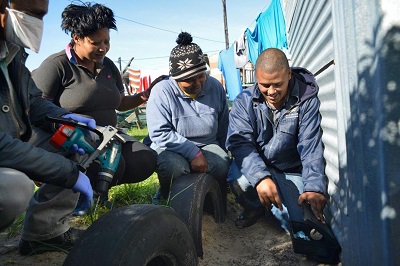
The City of Cape Town’s Environmental Health Service monitors and helps to educate the public about all of the aforementioned risks in a bid to curb the spread of disease and build safer communities, in line with the Organisational Development and Transformation Plan.
‘Many of our health risks emanate from illegal dumping or lack of maintenance of vacant plots. Every year, the City spends millions of rands cleaning up after illegal dumpers and errant landowners whose properties are in a state of neglect. Apart from the eyesore, these present the perfect breeding ground for vectors and resultant infestations or illnesses. They are also a fire risk to surrounding properties and lives and we can ill afford unnecessary fires amid the drought crisis,’ said the City’s Mayoral Committee Member for Safety and Security; and Social Services, Alderman JP Smith.
In the last financial year, some of the Environmental Health Service’s interventions included:
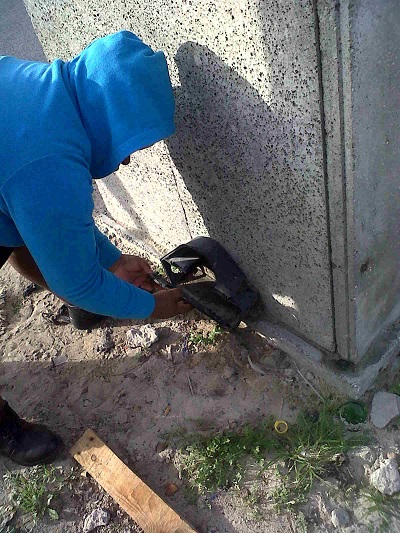
- setting 113 914 rodent baiting stations in poorer areas and public spaces
- serving 751 notices for vacant plots presenting a health nuisance
- clearing 249 private vacant plots presenting a health risk at a cost of R900 000
- 23 941 monitoring visits to informal settlements
- 1 082 health and hygiene projects conducted in informal settlements
© City of Cape Town
‘Our staff spend a lot of their time doing education and awareness campaigns at community level, because many of the health problems we see are preventable through behavioural changes. This includes effective waste management in the home, washing one’s hands and safe food handling practices at all times, especially in summer. Admittedly, this summer will be even more challenging as a result of the drought crisis, but I appeal to residents not to forego basic hygiene and to help us reduce the risk of disease,’ added Alderman Smith.
The City encourages the public to follow these tips to deter pests:
- Seal wet kitchen waste in plastic bags before disposing of it in your bin or black bags
- Store your bags and bins in a cool place
- Keep your bins closed at all times to prevent flies from entering
- Disinfect your bin after every removal
- Keep your refuse bags out of reach of animals
- Collect and dispose of animal faeces on a daily basis
- Do not litter and dump refuse in open spaces
- Stagnant water in disused swimming pools may become a breeding place for mosquitoes. As the water level becomes too low to run the pump, check with your pool professional options to control mosquito larvae
In terms of food safety, the World Health Organisation advocates five Keys to Safer Foods:
- Keep surfaces, utensils and hands clean
- Separate raw and cooked food
- Cook thoroughly
- Keep food at safe temperatures
- Use water and raw materials that are safe
‘We encourage residents to be vigilant about hygiene and safety, whether it is food management or pest management. We continue to see the proliferation of illegal pesticide sales and during summer this is likely to increase. These substances are extremely harmful, with often fatal consequences, so we’d much rather residents approach their local Environmental Health office for advice. The City provides free rodent baiting in poorer areas, so we encourage residents to go that route instead of purchasing illegal pesticides,’ added Alderman Smith.
End
Published by: