
New chapter for Pine Road residents and inner-city social housing
20 May 2019
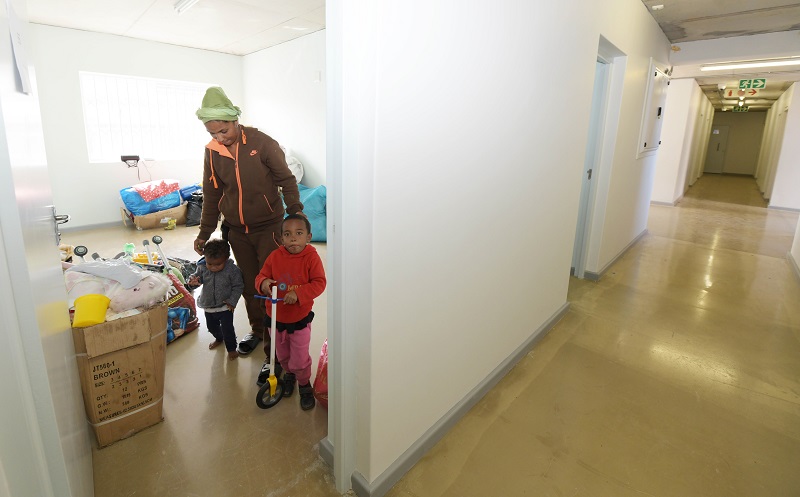
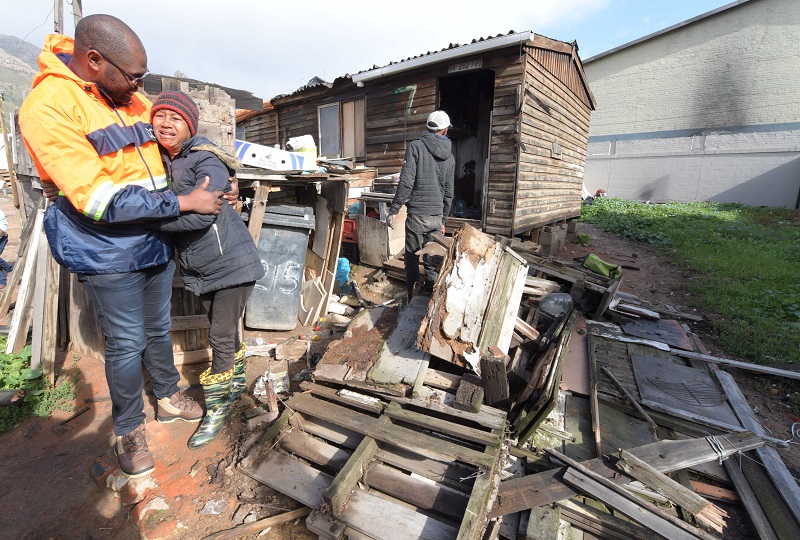
It was a day of mixed emotions as the 42 families who have been living in the informal settlement in Pine Road, Woodstock were relocated to the City’s first Transitional Housing Facility in Pickwick Street, Salt River.
The City’s Mayoral Committee Member for Human Settlements, Councillor Malusi Booi, visited the residents while they were relocating.
‘This relocation is significant as it not only marks a new chapter in the lives of the residents who have been living in the informal settlement in Pine Road, but it also paves the way for the City’s first of more than 2 000 affordable and social housing opportunities near the city centre of central Cape Town. It was an emotional day and I truly wish that these families will see a vast improvement in their living conditions going forward,’ said Councillor Booi.
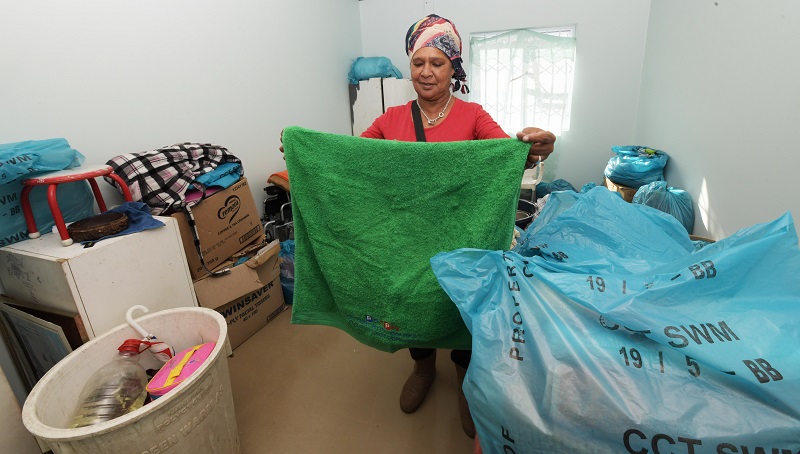
The purpose of the Pickwick facility is to provide short-term accommodation to the households who relocated from the informal settlement on the Pine Road site, which will be developed to unlock approximately 230 social housing (affordable rental) opportunities.
‘Now that we have the occupancy certificate, we thought it best to relocate the families, especially ahead of the colder winter days and to counter the risk of the facility being invaded. Building supervisors have been appointed in the interim to manage the facility while the process to appoint a management agent is under way.
‘Security measures are in place, both at the Pickwick transitional site, as well as the land in Pine Road which has been earmarked for the development of approximately 230 social housing opportunities.
‘Security guards have been deployed to both sites. Leading up to today, the residents’ biometrics have been registered as part of the access control measures in place at the transitional housing site. Also, the Pine Road site will be fenced and will benefit from patrols by City law enforcement, the Woodstock Improvement District, Business Improvement District and the neighbourhood watch, which will assist in ensuring that it is secured for the development of social housing opportunities,’ said Councillor Booi.
More about the Pickwick Transitional housing project
The construction of the transitional housing site costs approximately R11 million.
It consists of 42 rooms, communal bathrooms and kitchens, as well as access control to ensure the safety of those residing there.
‘The intention is not for tenants to live at the transitional site in Pickwick Street on a permanent basis, but rather to provide them with a helping hand and to accommodate them in the short-term. At the Pickwick transitional housing site short-term tenants will have access to social services, while they are in the process of finding more permanent housing opportunities. In this way, when they move on, the space at the transitional site becomes available for other short-term tenants while they wait for their longer-term housing opportunities.
‘Furthermore, the construction of the social housing project at Pine Road is imminent. We are currently awaiting the decision on the site development plan application,’ said Councillor Booi.

Some of these families may qualify for the social housing opportunities – otherwise known as affordable rental units – that will be developed in Pine Road. As such, they may choose to return to live in these units should they qualify. Households with a combined monthly income of up to R15 000 qualify for social housing opportunities.
Commitment to affordable and social housing
‘This transitional housing project echoes the City’s commitment to providing hundreds of social housing opportunities around the Cape Town city centre on sites such as Salt River Market, Woodstock Hospital and Pine Road as well as other well-located areas across the metro.
‘The City remains committed to providing housing opportunities in all of the central business districts – not only the Cape Town CBD, Salt River and Woodstock, but also in smaller near inner-cities such as Bellville, Parow, Khayelitsha, Claremont, Mitchells Plain, Wynberg and Plumstead.
‘As a City, we recognise the dire need for housing opportunities that are situated on well-located land, close to employment opportunities and economic nodes. There are no quick fixes, but we are absolutely committed to building integrated communities with different types of residential developments based on a mix of income groups and circumstances. Social housing is one of these avenues that we are investing in to provide more affordable housing opportunities for our people,’ said Councillor Booi.
End
Published by: