
Diabetes: Don’t become a statistic
13 November 2019
An ongoing epidemic continues to plague the lives of ordinary Capetonians and which is already causing more deaths than HIV and Tuberculosis. Deaths are still on the rise, the number of newly affected are increasing and those that are affected are getting younger and younger. This new epidemic - Diseases of Lifestyle - is caused by a number of factors, including unhealthy diets, obesity and lack of sufficient exercise.
Diabetes is one of the major diseases of lifestyle and is currently the number one natural cause of death in the Western Cape.
Ten percent of our adult population currently have diabetes and this will increase to 20% by 2040. It is estimated that, in 20 years, one in five persons will have diabetes.
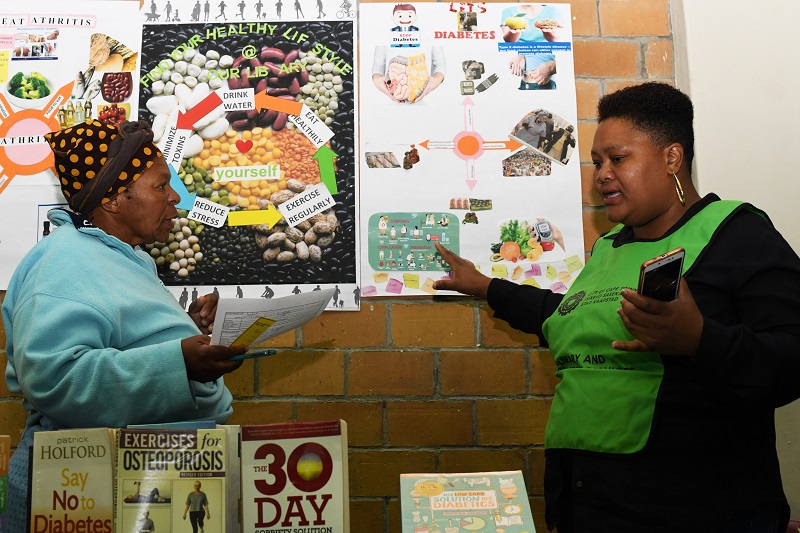
The very worrying statistic is that the younger generation is being increasingly affected. Type 2 diabetes which accounts for around 90% of diabetes can be largely prevented by adopting a healthy lifestyle.
The United Nations(UN) passed a resolution in 2006 to designate November 14 as World Diabetes Day. The occasion aimed to raise awareness of diabetes, its prevention and complications and the care that people with the condition need.
The theme for this year’s World Diabetes Day and Diabetes month is the Family and Diabetes. The aim is to raise awareness of the impact that diabetes has on the family and the support network of those affected.
It also aims to promote the role of the family in the management, care, prevention and education of diabetes. If you live with diabetes, it doesn’t only impact you, it impacts your family as well. It’s crucial that families act together to tackle this epidemic.
1 in 2 people with diabetes don’t know they have it and most have Type 2 diabetes. Left untreated or poorly managed, it can lead to life-changing complications like blindness, amputations, kidney failure, heart attacks and strokes. Diabetes was responsible for four million deaths in 2017 globally.
Families are urged to learn more about the warning signs as well as their risk for Type 2 diabetes. Symptoms to look out for include:
- Frequent urination
- Increased thirst
- Always feeling hungry
- Feeling very tired
- Blurry vision
- Slow healing of cuts and wounds
- Tingling, numbness, or pain in the hands or feet
There are numerous resources available online and at your nearest primary healthcare facility. Education on diabetes prevention and treatment as well as routine screening and risk assessment services are available at all City clinics.
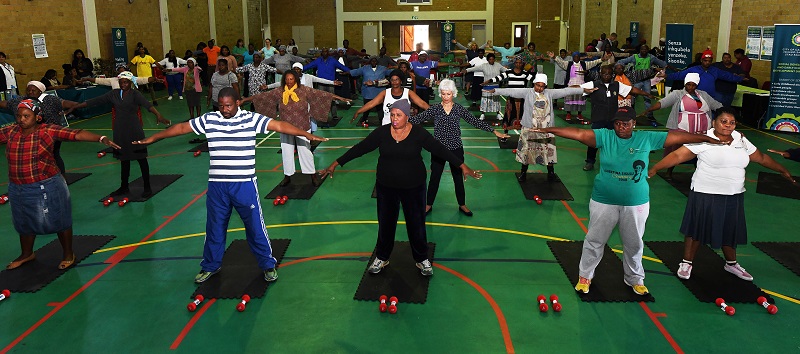
Our Community Services and Health Directorate also rolled out the Live Well Challenge a year ago (pictured) to raise awareness about what constitutes healthy eating, and to provide access to regular exercise opportunities at our community facilities. The programme has been piloted at eight clinics across the metropole and residents can enquire from their closest facility where they can join the Live Well Challenge, which has also become an integral part of our Health Promotions Calendar and outreach programme. They can also consult their local community centre to find out what fitness programmes are on offer by our Recreation and Parks Departments.
We strongly advise you to use all these available resources in order to diagnose and treat you and your family (young or old) early in order to prevent all the serious complications which could result in long-term disability, poor quality of life and even death.
End
Published by: