
City saves seven million litres of drinking water daily through treated effluent
30 September 2026
Saving drinking water is becoming increasingly important
With dam levels lower and a longer, drier summer ahead, saving every possible litre of drinking water is becoming increasingly important. On average, City Recreation and Parks facilities save seven million litres of drinking water per day by using treated effluent for irrigation and other non-potable purposes instead.
Cape Town is a water-scarce city, and with dam levels lower than this time last year and a longer, drier summer expected, the City is stepping up efforts to protect drinking water supplies.
The City’s Water and Sanitation Directorate continues to invest in alternative water sources, such as treated effluent, to reduce the amount of drinking water used for purposes that do not require drinking water.
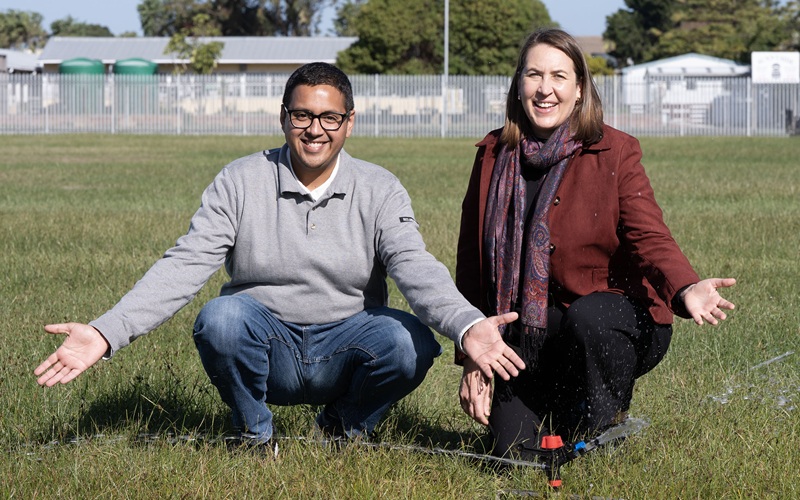
Treated effluent is treated wastewater that is suitable for approved non-drinking uses, including the irrigation of sports fields, parks, golf courses, school grounds and other public open spaces. Using treated effluent for these purposes means that drinking water can be reserved for essential uses such as drinking, cooking, cleaning and other household needs.
Since the 2019/20 financial year, the City's Recreation and Parks Department has used an average of about seven million litres of treated effluent per day, supplied by the Water and Sanitation Directorate, for irrigation. This means that approximately seven million litres of drinking water per day did not need to be used for irrigation.
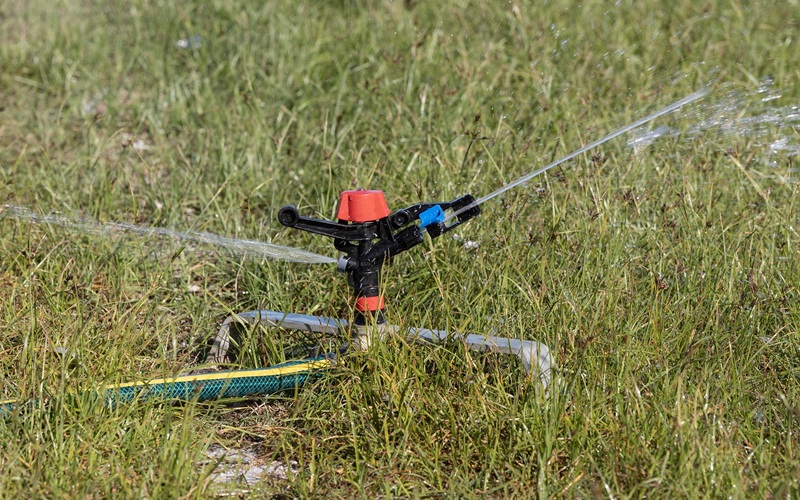
‘We are heading into a longer and drier summer. We cannot control the rainfall, but we can control how wisely we use the water available to us. As we face a more challenging water period, we need to make every drop count. Every litre of treated effluent used for irrigation is a litre of drinking water we can use for essential needs.
‘Expanding the treated effluent network is therefore an important part of building a more water-secure Cape Town and ensuring that we are better prepared for the months ahead,’ said the City’s Mayoral Committee Member for Water and Sanitation, Alderman Zahid Badroodien.
Currently, 127 of the City’s Recreation and Parks facilities are connected to the City's treated effluent network and can access treated effluent for approved non-potable uses.
As part of the City's ongoing programme, R5 million has been set aside in the 2026/27 financial year to refurbish treated effluent infrastructure at nine Recreation and Parks facilities (Johnson Road Sports Ground, Turfhall Stadium, The Greens Sports Ground, Bonteheuwel Sports Field, Langa Sports Complex, Vangate Sports Complex, Goodwood Rugby Field, Rondebosch A and Rondebosch B), and undertake short connections to the network.
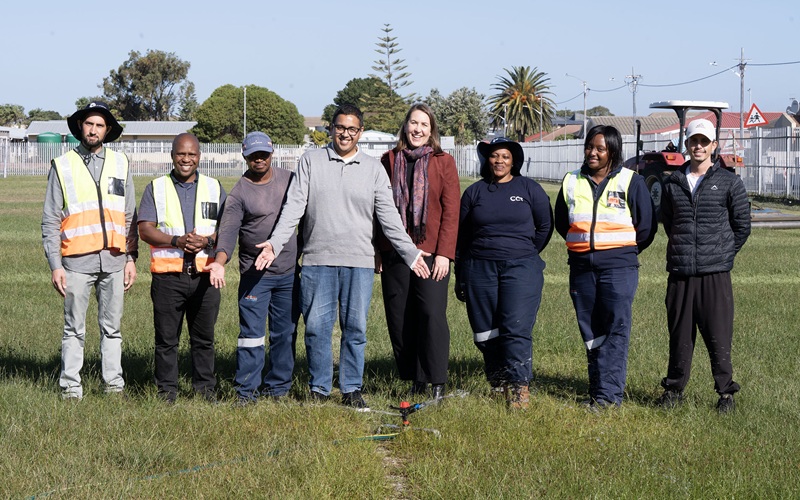
Expanding the alternative water network
The City's treated effluent network also supplies a growing number of private users across Cape Town. Currently, 203 private treated effluent connections have access to up to 60 million litres of treated effluent per day, subject to operational conditions. They include farmers, golf clubs, schools, developers, shopping centres and various commercial and industrial users.
How to get treated effluent
For an application form and more details, email treated.effluent@capetown.gov.za
Published by:
City of Cape Town, Media Office