
City’s lifeguards ready for beach deployment
28 October 2016
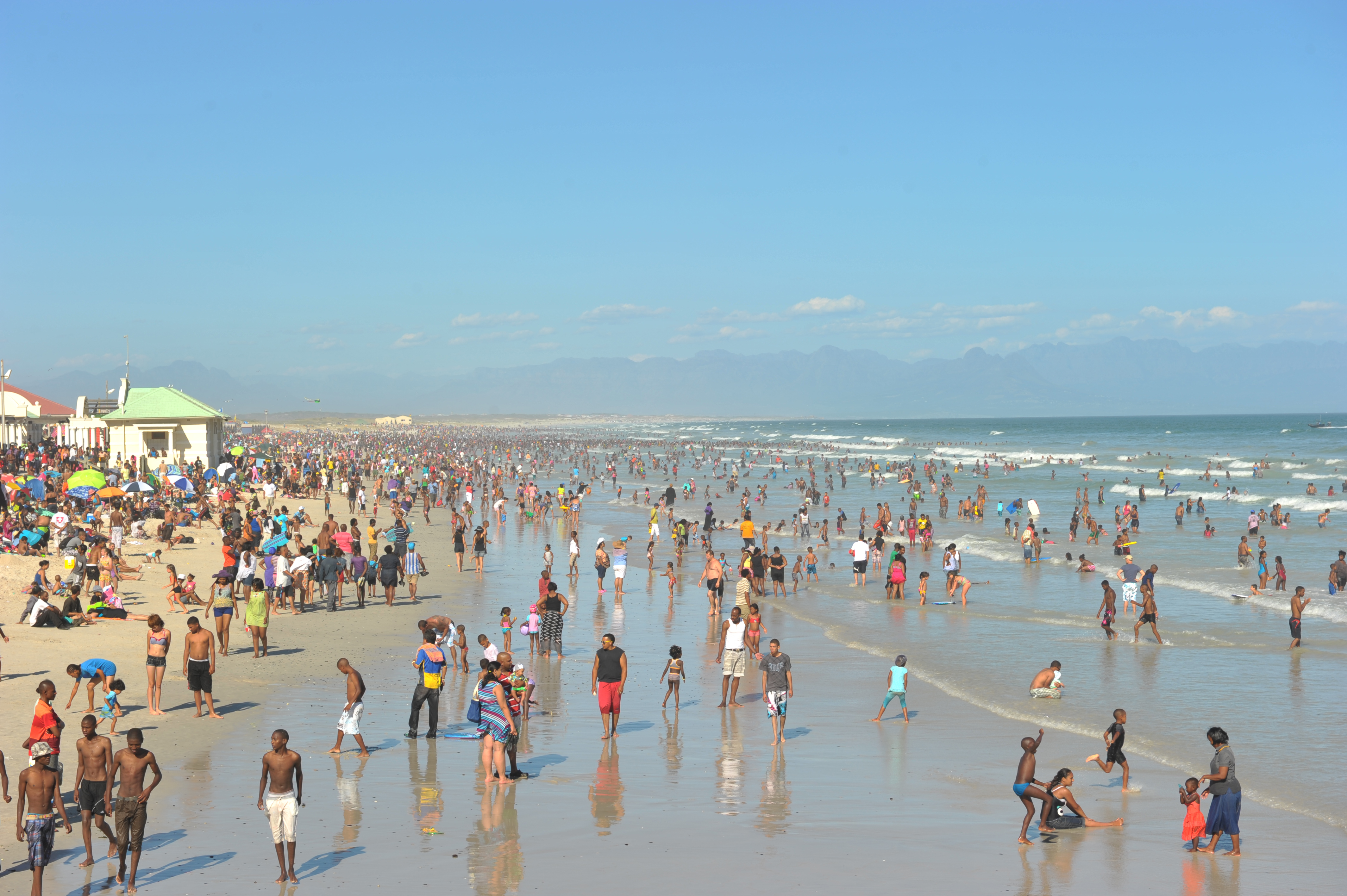
© City of Cape Town
‘The aim of the City’s lifeguarding programme is to provide a lifesaving standard of the highest quality, and to provide lifeguards with better career path opportunities. Beach safety is key to Cape Town’s beaches achieving high accolades internationally and this contributes to Cape Town being one of the most popular beach cities in the world. Having a world-class lifeguarding service is essential in keeping the Blue Flag flying above 10 of our beaches.
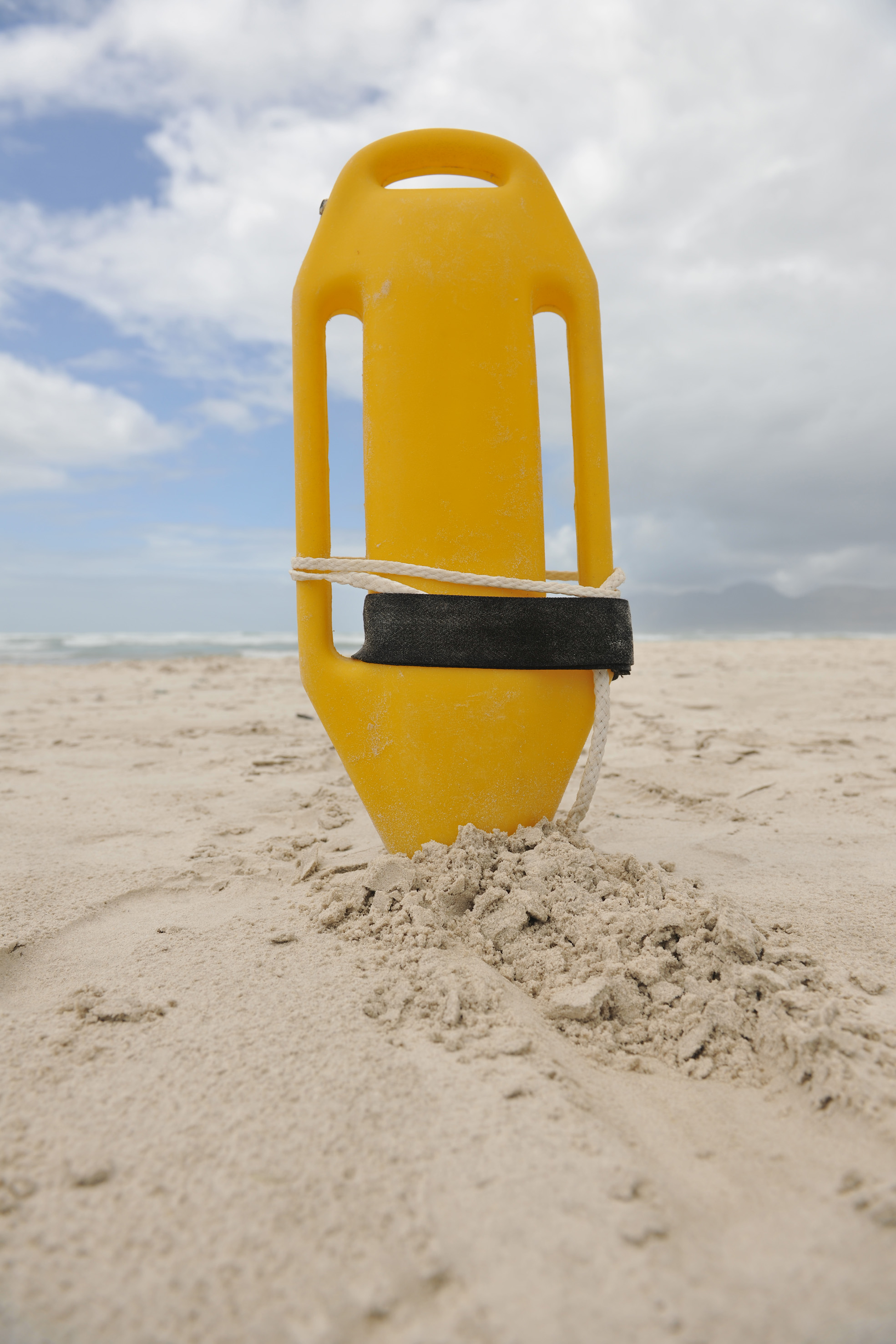
© City of Cape Town
‘While I am confident that the lifeguards employed to ensure the safety of beach-goers are competent and well qualified, beach safety is a shared responsibility between our beach safety staff and our beach-goers. Many drownings are linked to the consumption of alcohol before swimming or people swimming in dangerous areas not designated by lifeguards, so I appeal to residents to exercise caution.
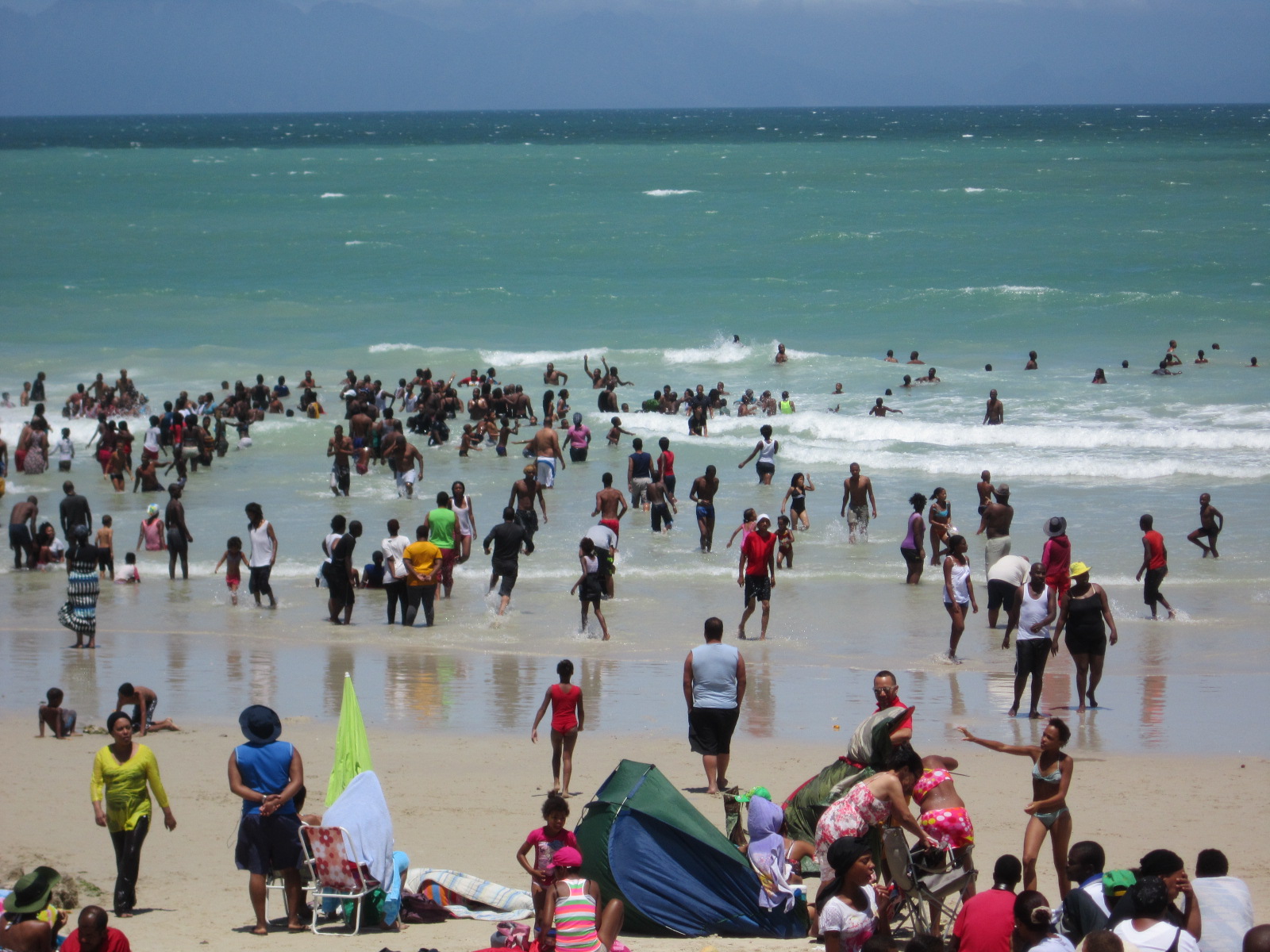
© City of Cape Town
The lifeguard service will be boosted by accredited members of lifesaving clubs and teams will work closely with National Sea Rescue Institute volunteers.
Beachgoers are encouraged to keep the following key safety tips in mind:
- Only swim at beaches that have lifeguards on duty Swim between the red and yellow flags.
- They indicate safe, rip current-free, supervised swimming areas.
- An area outside of these flags could have dangerous rip currents
- Never swim alone
- Always inform friends or family members when you are going swimming
- Do not swim when there are marine animals such as whales, dolphins and seals in the area or when a marine animal carcass has washed up onto the beach
- If you find yourself in difficulty, turn on your back and float, raise your arm and wave to attract the lifeguard’s attention
- Try not to panic, as this will make you tired
- If you see someone in difficulty in the water, alert the lifeguards or find trained help.
- Do not enter the water and attempt a rescue.
- Throw something that floats to the person or call a surfer who can take floatation to the person
- Call emergency services on 112 or 021 480 7700 from a cellphone if you require assistance.
Please note
Published by: