
City of Cape Town Deputy Mayor invites residents to webinar on invasive PSHB
19 June 2025
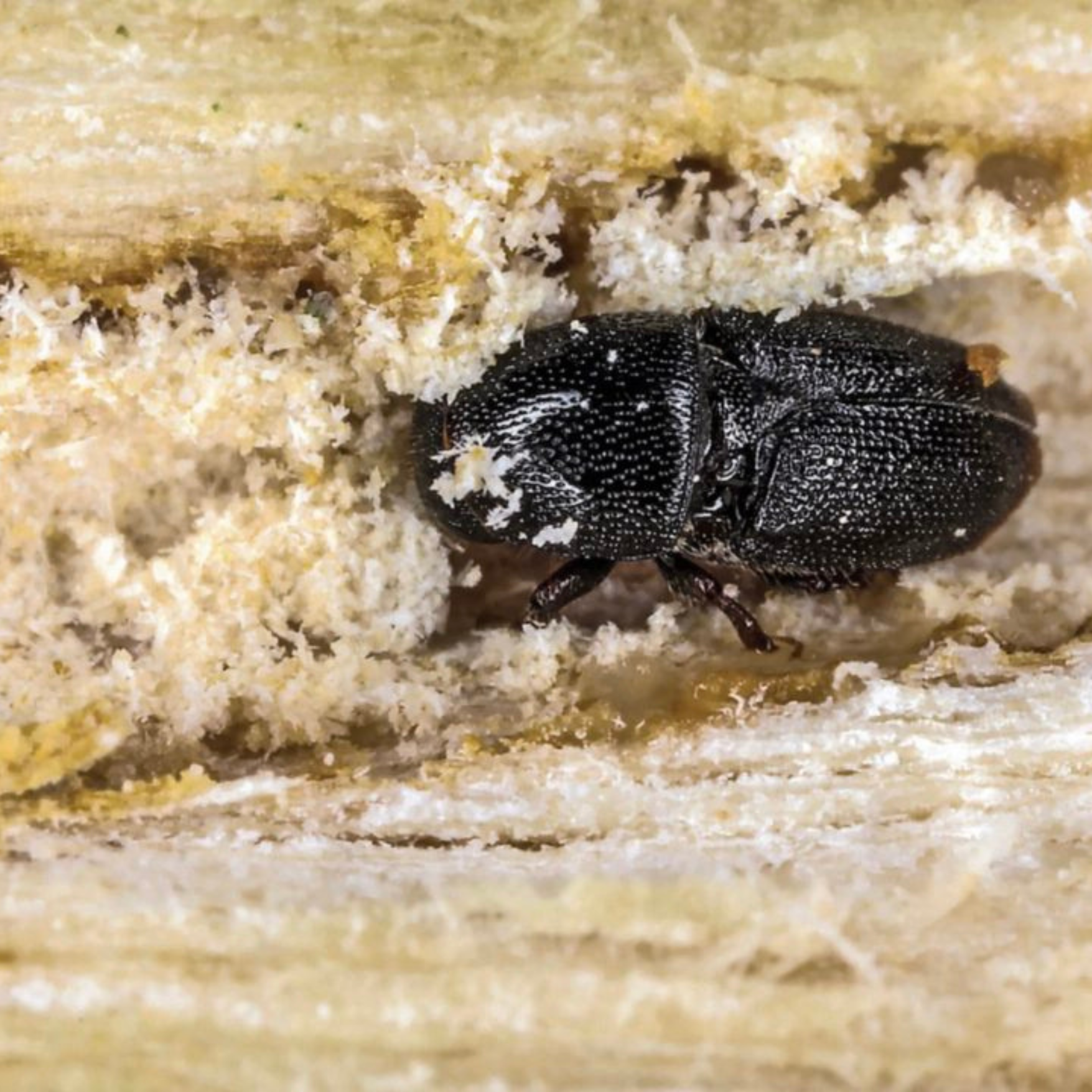
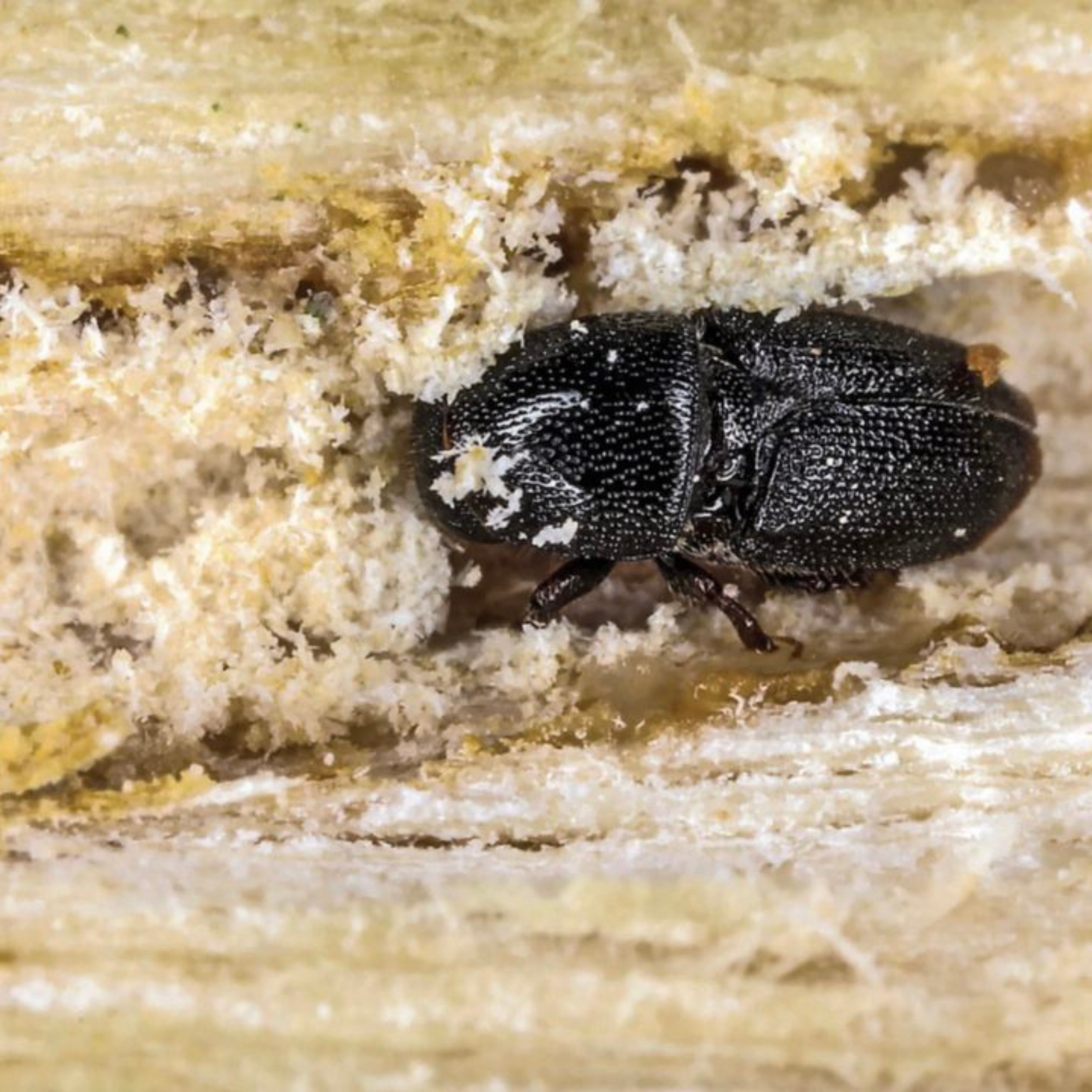
The City of Cape Town is urging residents to attend an important online information session about the invasive Polyphagous Shot Hole Borer beetle (PSHB). The session will be hosted by the City's Deputy Mayor, Alderman Eddie Andrews and will feature Dr. Luke Potgieter, a Postdoctoral Research Fellow from the Centre for Invasion Biology at University of Stellenbosch; Professor Brett Hurley from Forestry and Agricultural Biotechnology Institute (FABI) at the University of Pretoria and Ms. Elelwani Ramabulana from the Office of the Registrar at the Department of Agriculture. The webinar will take place on Tuesday, 24 June 2025, from 18:00 until 19:30. Read more below:
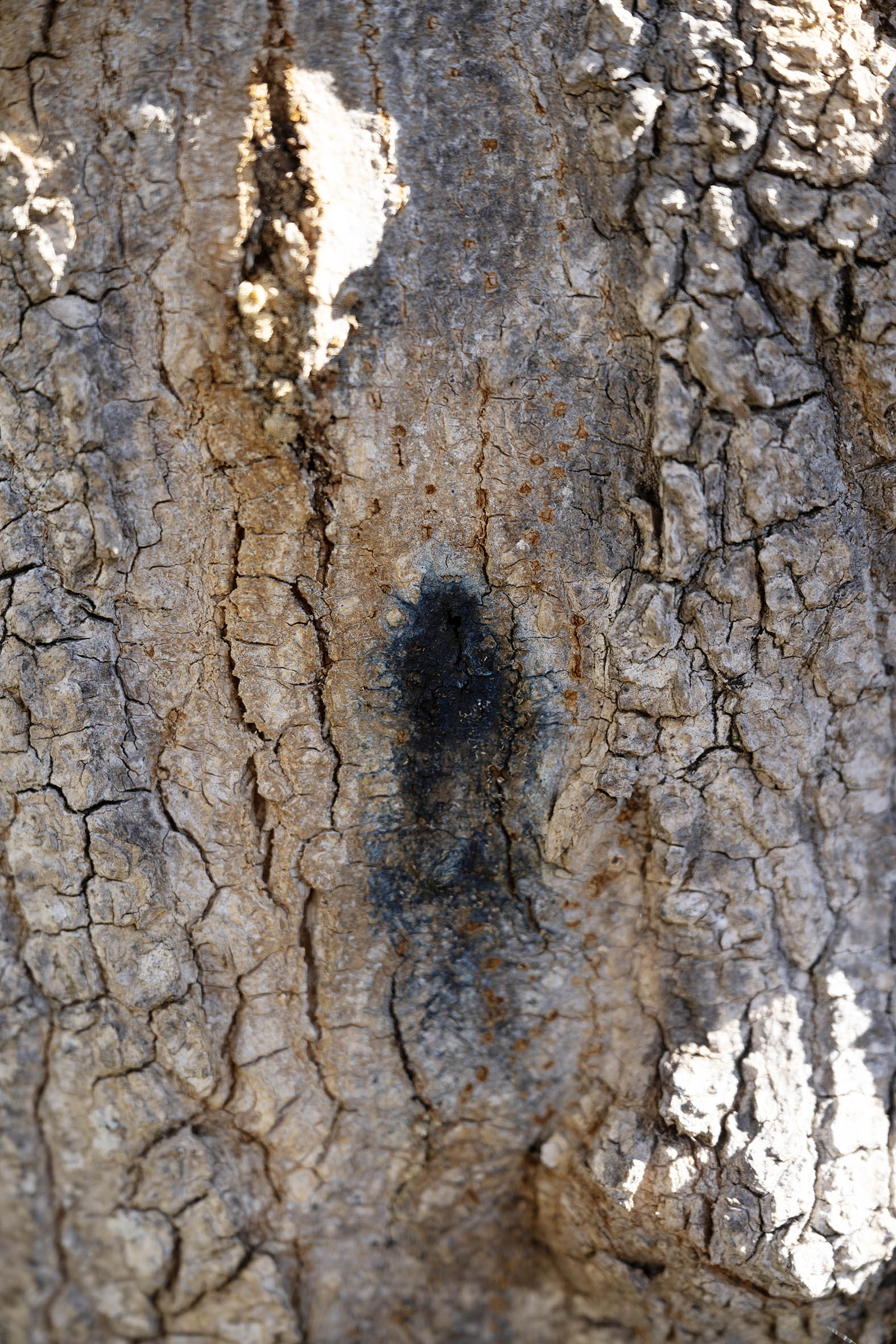
'The discussion during the webinar next week will include a brief update on PSHB-related research efforts underway across the country and will outline the strategic decision protocol for selecting tree species for planting initiatives following the management and impact of PSHB in the City of Cape Town. Furthermore, some insight will be shared on the requirements of Act 36 (Fertilizers, Farm Feeds, Seeds and Remedies Act) on the registration of remedies which include pesticides, fungicides, herbicides and insecticides. Our Invasive Species unit will educate residents on how to identify infested trees and what symptoms to look out for as well as how to properly handle and manage infested plant material,’ said the City's Deputy Mayor and Mayoral Committee Member for Spatial Planning and Environment, Alderman Eddie Andrews.
All interested residents are invited to join the webinar using the below details :
Link: Join the meeting now
Meeting ID: 398 781 131 115 6
Passcode: 8aG3Nu7f
Alternatively, there is the option to dial in by phone via:
+27 21 835 5043
Phone conference ID: 223 928 03#
The PSHB poses a serious threat to Cape Town's urban forest and has to date been confirmed/observed in over 6000 trees across the City in the following Areas:
Somerset West, Strand, Penhill, Newlands, Constantia, Rondebosch, Observatory, Mowbray, Rosebank, Claremont, Kenilworth, Wynberg, Diep River, Pinelands, Durbanville, Brackenfell, Kraaifontein, Bellville and Parow North. Since 2019, PSHB presence/symptoms have been observed on 116 (34- indigenous and 82-alien) tree species in the City of Cape Town.
How to report PSHB beetle sightings:
• Online at www.capetown.gov.za/InvasiveSpecies
• Call the City of Cape Town's Invasive Species Unit on 021 444 2357, Monday to Friday, from 07:30 to 16:00
• Send an email to: invasive.species@capetown.gov.za
End
Published by:
City of Cape Town, Media Office