
Bulrushes expected to ‘fluff’ around beginning of autumn
13 April 2018
Every year, towards the end of summer and the beginning of autumn, bulrushes (Typha capensis) release their seeds over the course of a few weeks. These seeds are usually spread by the south-easterly winds and stick to items that are outside such as the washing, houses, cars, fences and even people.
Residents living in areas such as Grassy Park, Lotus River, Pelican Park, Milnerton and parts of Table View will likely be affected by this natural event.
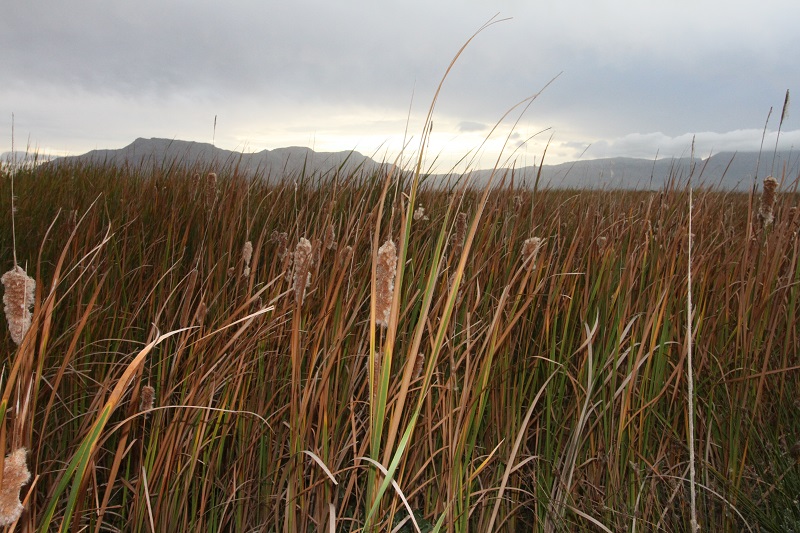
‘Residents can minimise the impact of bulrush fluff by keeping their washing off lines and their faces covered on windy days, as well as by preventing the pollution of wetlands,’ said the City’s Mayoral Committee Member for Transport and Urban Development, Councillor Brett Herron.
The bulrush is an indigenous aquatic plant that is found in southern and eastern Africa. Once pollutants and nutrients have entered a wetland, through channels such as stormwater disposed of by humans, the bulrush becomes invasive. There is very little that can be done to remove them. As a result, the bulrushes grow prolifically in response to the pollutants and nutrients, often at the expense of other indigenous plants species and outcompete them for light, water and food. It also diminishes water surface areas for recreational activities and impacts on the functioning of the ecosystems they invade.
For more information on the City’s nature reserves, please visit www.capetown.gov.za/naturereserves.
End
Published by: