
Black Soldier Flies keep business buzzing in Cape Town
5 May 2023
STATEMENT BY THE CITY'S MAYORAL COMMITTEE MEMBER FOR ECONOMIC GROWTH, ALDERMAN JAMES VOS
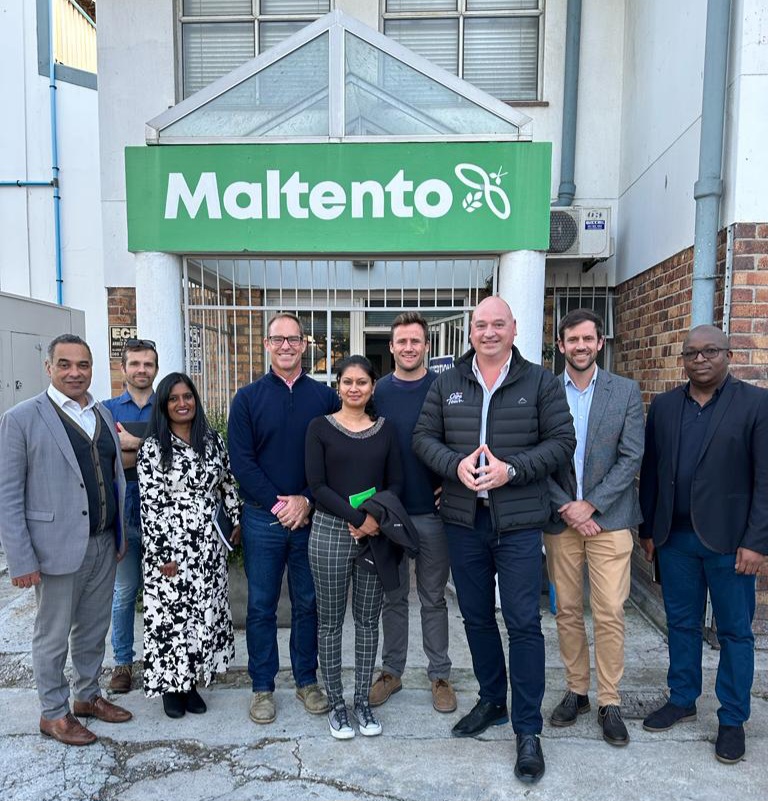
I recently visited Maltento, a Cape Town-based functional animal feed manufacturer, that is at the forefront of an emerging industry with Black Soldier Fly farming. This could be a game-changer for Cape Town's food and beverage sector, the environment, and the economy at large.
About the Black Soldier Fly (BSF) and farming
|
The City welcomes innovative business ideas that play a role in providing job opportunities and help look after our environment.
The City funds its greentech industry partner, GreenCape, to provide support to sustainable industries such as BSF farming. This includes funding a case study on Maltento.
Insect farmers are using modern-day innovation and leveraging the insatiable appetite of the BSF larvae to upcycle low-value organic waste and by-products into high-value products.
These high-value products are used in a wide array of applications, most notably in animal feed and pet food, but also for crop production and healthy soils to feed the food that feeds us. Further applications are continually being investigated, including cosmetics, pharmaceuticals, and human food.
Insect protein meal is not only key to localising feed production, but according to WWF: UK's Future of Feed Report, insect protein meal has a lower environmental impact compared to traditional protein sources, such as soybean and wild fish.
BSF offers both an attractive solution to the future proofing and localisation of feed ingredients, but also as a solution to organic waste.
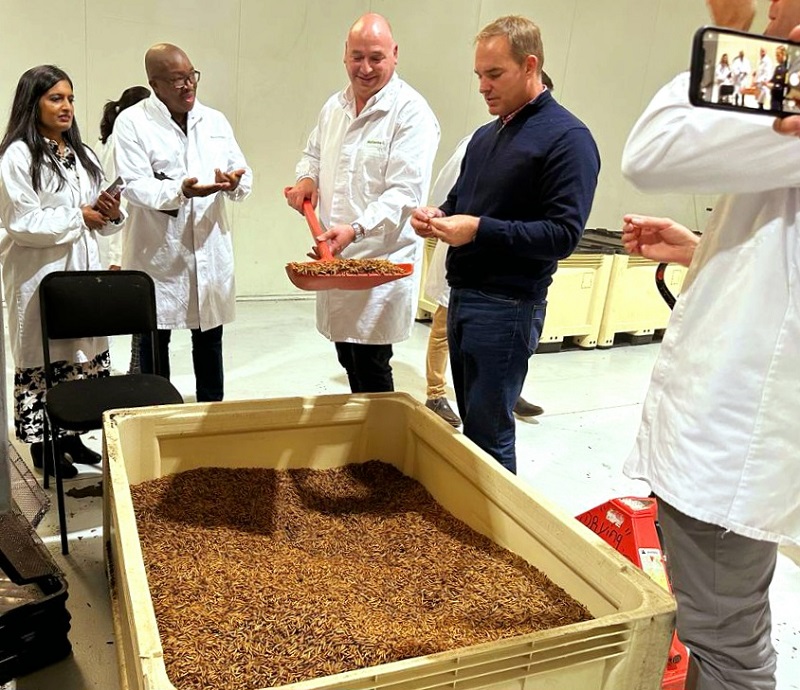
How BSF farming can help reduce organic waste going to landfill
According to the Council of Scientific and Industrial Research (CSIR), of the 10,3 million tonnes of food produced in South Africa for human consumption, almost 45% never ends up on the plate. Much of this food, also known as organic waste, ends up in landfills.
Landfill organics has wide ranging and far reaching negative effects on the environment, but also the economy and on basic service delivery. For example:
- organic waste contaminates dry recyclables, making them difficult to collect, separate, and recycle;
- landfilled organics is the major source of methane, a potent greenhouse gas that is responsible for between 10% - 11% of Cape Town's emissions;
As a City, we are fiercely committed to finding innovative solutions that help people and planet, but that also ensure Cape Town's businesses stay relevant and competitive.
GreenCape's study
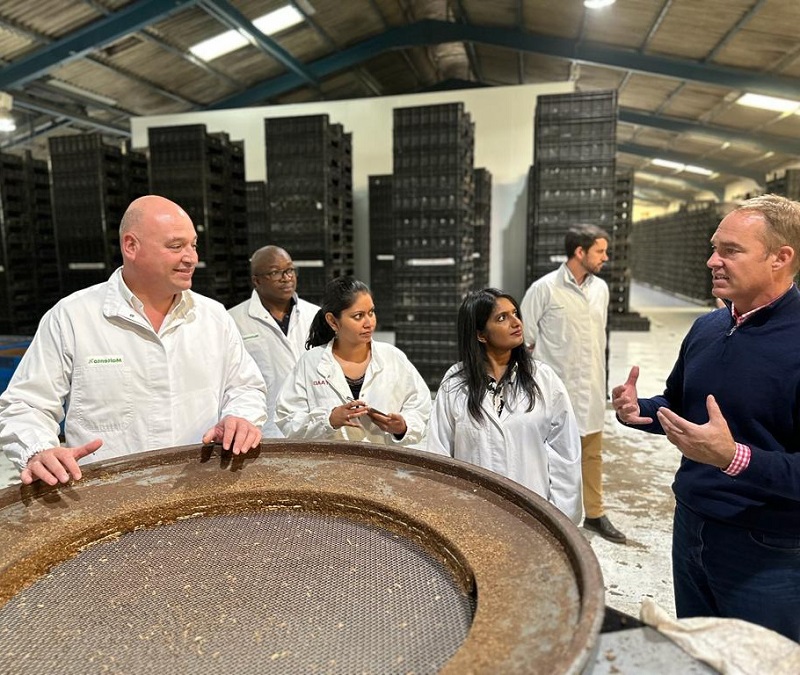
- Maltento is the first BSF company in the world to develop an insect-based palatant that is applied to dry dog food to enhance the flavours and aromas of the dog kibble.
- It also produces a nutrient-rich and microbial-dense fertiliser and soil amendment that is not only good for plants, but also good for the soil.
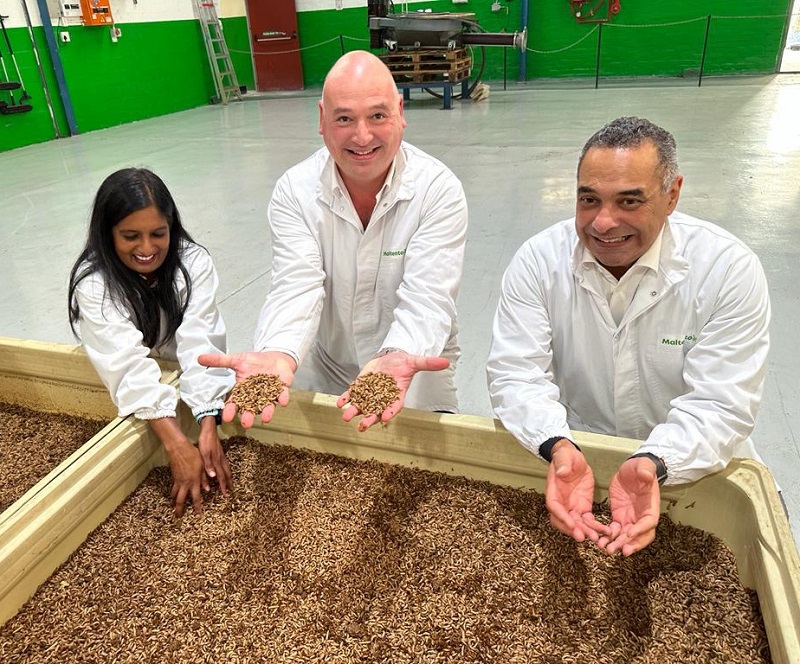
- GreenCape's study also found that, in total, Maltento has added over R85,7 million worth of product back into the economy, and growing, while creating 30 new jobs (now 60 jobs) for Capetonians in a fast-growing new industry.
This is merely a glimpse of the potential of the BSF farming industry and the waste economy. Given the City's target of 100% organic waste diversion from landfills by 2027, BSF farming is both an agricultural input and organic waste boon.
The global insect protein market is projected to grow from $189,32 million in 2022 to $856,08 million by 2029. According to GreenCape research, BSF farming alone has the potential to convert 275 000 tonnes a year of Cape Town's food related waste into R500 million – R2,2 Billion worth of product and support around 500 direct jobs.
This is why the City funds and works with partners such as GreenCape, to help us to understand and realise the investment potential of new industries while fuelling the development of small businesses and job opportunities.
See GreenCape's case study: https://green-cape.co.za/wp-content/uploads/2022/11/Spent-Brewery-Grain-to-Insect-Protein.pdf
End
Published by:
City of Cape Town, Media Office