
A rare Breed of doctor
22 August 2019
Dr Breed became a veterinarian because she wanted to contribute to the ‘bigger’ picture. ‘I was working at a private veterinary practice when I realised that if I wanted to move further in the veterinarian field, I would have to empower myself with education,’ Breed said.
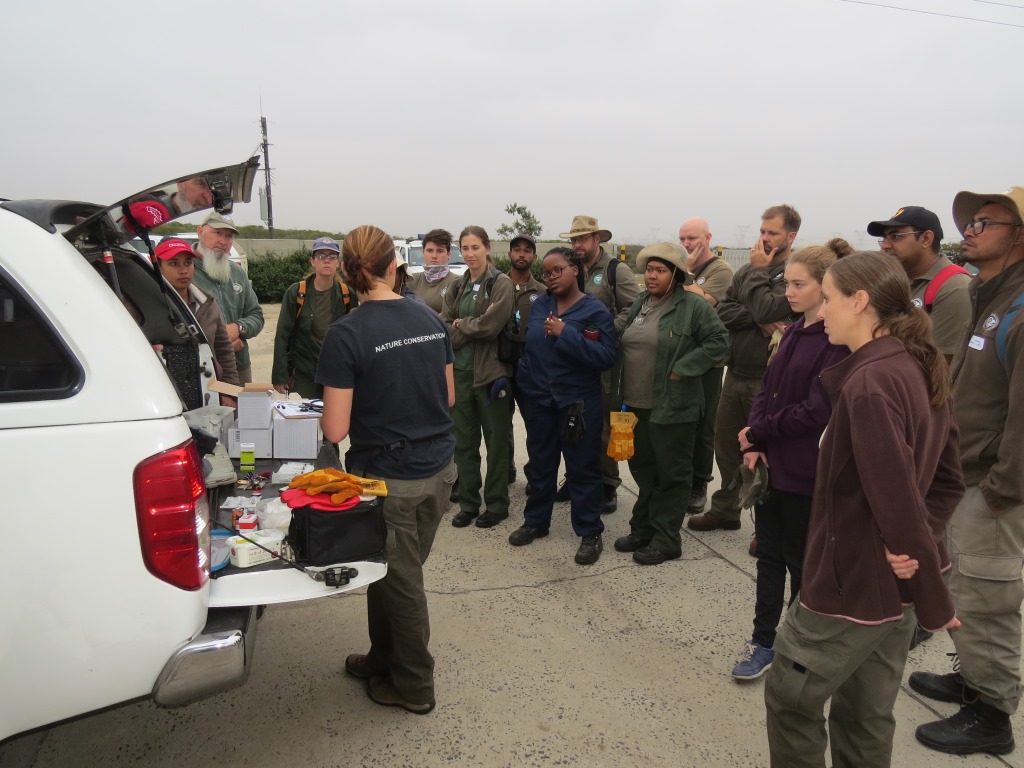
This is an assertion she lives up to, and counting among her credentials are:
- Bachelor of Veterinary Science from the University of Pretoria 2006
- Masters in International Animal Health from the University of Edinburgh 2014
She is currently in her final year of study towards a PhD in Physiology (Wildlife) at the University of Cape Town.
Previously, Dr Breed worked in private veterinary practice in South Africa and the United Kingdom. In 2012, she started her own practice rendering wildlife veterinary services in and around Cape Town.
During this time, she dealt with many species including domestic, farm, exotic and wild animals.
In 2017, Dr Breed joined the City of Cape Town as a veterinarian and urban wildlife specialist.
Dr Breed’s role in the Biodiversity Management Branch is to provide veterinary support and advice for any animal interventions planned or needed in conservation areas.
‘Working with wildlife and people can be very challenging, but it also keeps working life interesting and very fulfilling when you have positive achievements,’ said Dr Breed.
Some of her career highlights include:
- reintroducing eland to Blaauwberg Nature Reserve
- rehabilitating a honey badger and successfully releasing it at Bokbaai in 2017
- translocating the City’s bontebok herd to a new site
‘It is a rewarding career, but it also has its challenges. For instance, managing wildlife in an urban setting can be difficult due to the different views that people have towards animals. You have to constantly navigate between best practice, science, animal welfare and human interest. Also, wild animals are usually very sick or injured by the time they allow themselves to be caught by humans, and often require humane euthanasia,’ said Breed.
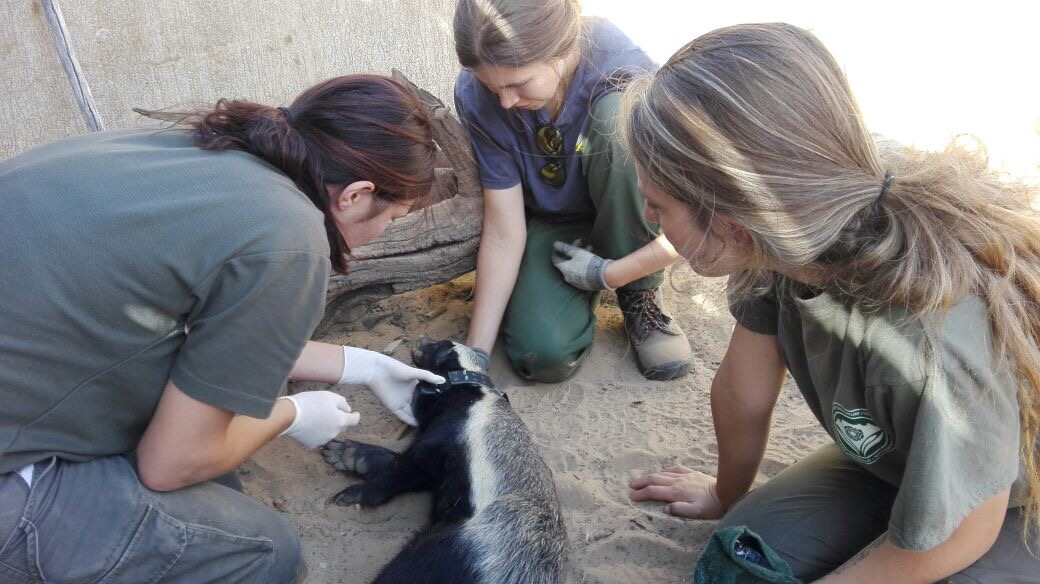
However, there are wildlife cases where the situation and the animal’s condition allow you to release it. ‘It is very rewarding to see a wild animal released back into a natural area,’ said Breed.
A key lesson she learnt during her career is that everything of consequence is worth thrice the effort; anything that is worthwhile and makes a difference requires substantial effort.
Working on a wide range of projects with different organisations, liaising with and continuously learning from experts in various fields, keep her motivated in her job. She also gets to deal with a wide range of species, making it exciting.
‘As we celebrate Women’s Month, I want to commend and honour Dr Breed, the only female wildlife veterinarian, particularly, in the game capture work which is considered a ‘man’s job’. I am proud of her achievements and contribution to the conservation of Cape Town’s wildlife. It’s not every day that you will find women working with wildlife, and doing it with such passion. She is a real asset, and our wildlife is lucky to have her around,’ said the City’s Mayoral Committee Member for Spatial Planning and Environment, Alderman Marian Nieuwoudt.
‘Urban conservation is a growing international field and extremely important in creating a sustainable city. We have an incredible unit called the Conservation Services Unit within the Biodiversity Management Branch, that does great work to promote and build conservation within the City of Cape Town. Who better to lead and promote nature conversation than the dynamic Dr Breed,’ said Alderman Nieuwoudt.
End
Published by: