
Conserve our rivers and wetlands
Learn why rivers and wetlands are so important, how the City is protecting them, and how you can get involved too.The importance of rivers and wetlands
Water equals life. With only a small percentage of the water on the planet being drinkable and accessible, it is vital to protect what we have.
Cape Town’s rivers and wetlands:
- are a home for many plants and animals;
- supply and carry water for drinking, washing, crops, livestock and industry;
- improve the quality of water through natural plant filters;
- create green jobs;
- help to rebalance and rejuvenate surrounding ecosystems;
- help to control floods;
- make our urban environment beautiful; and
- offer recreational spaces and a connection to nature.
Fast fact
Our economy depends on a continual supply of good, clean water. Wetlands are like giant sponges – they retain water during floods and release it during dry periods. This is crucial in a dry country like South Africa.
The importance of estuaries
An estuary is where a river meets the ocean. Estuaries are home to unique plants and creatures that have adapted to the mixed waters. Young marine fish enter estuaries so they can grow and mature in relative safety before returning to the sea. Many bird species also depend on estuaries at different stages in their lives. It is important to manage water flow and silt build-up so that our estuaries keep working.
Threats to rivers and wetlands
Urban development is one of the biggest threats to our rivers and wetlands. It leads to the following:
- Pollution – this is toxic to humans, plants and animals
- Thinning of rivers – this changes the natural habitats of river creatures and can affect river flow
- Invasion by alien vegetation and alien fish – this leads to loss of indigenous plants and animals
- Stress on water supply
Remember
Don't pollute! Polluted water damages ecosystems, causes the death of animals and plant life, stops our economy from growing, carries water-borne diseases and contaminates our drinking water.
Saving the Western Leopard Toad
The Western Leopard Toad, which can only be found in our coastal region from the Cape Flats to the Agulhas Plain, is in danger of extinction. Many toads die crossing busy roads on their annual migration to wetlands, vleis and rivers to breed.
You can play an important part in protecting these toads:
- If you are driving or a passenger, be on the lookout for toads during breeding season (usually in spring).
- If you have a garden, make sure it is ‘toad friendly’ by growing indigenous plants, avoiding pesticides, and creating ‘escape routes’ from your pool or garden wall.
- You can volunteer to help the toads by monitoring roads during breeding season and making sure they move safely to breeding sites.
To learn more about the Western Leopard Toad – and how you can help to protect it – see our Western Leopard Toad Pamphlet.
For more information, visit The Endangered Western Leopard Toad website or email leopard.toad@capetown.gov.za.
How the City protects rivers and wetlands
Along with our conservation partners, we try to meet the needs of our people and economy and the needs of our water sources and water areas. We do this through policy management and education. We work hard to make sure people don’t build in high flood-risk areas or that buildings don’t destroy natural life in these precious ecosystems.
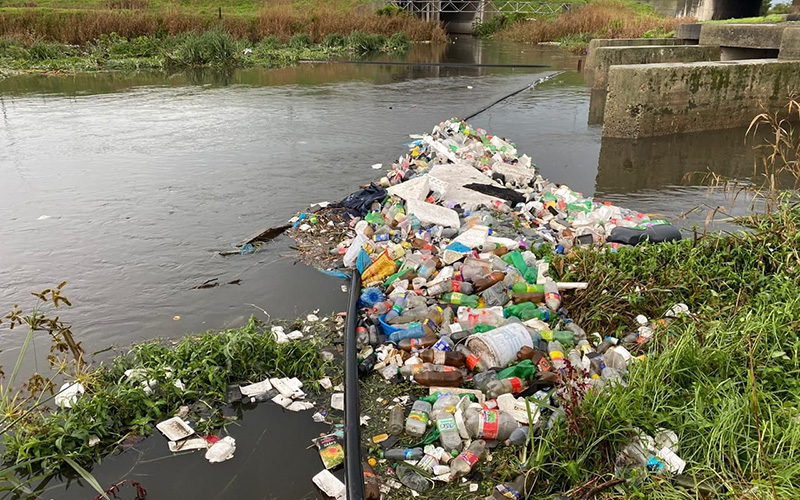
The City supports the Litterboom initiative that helps to keep our rivers cleaner.
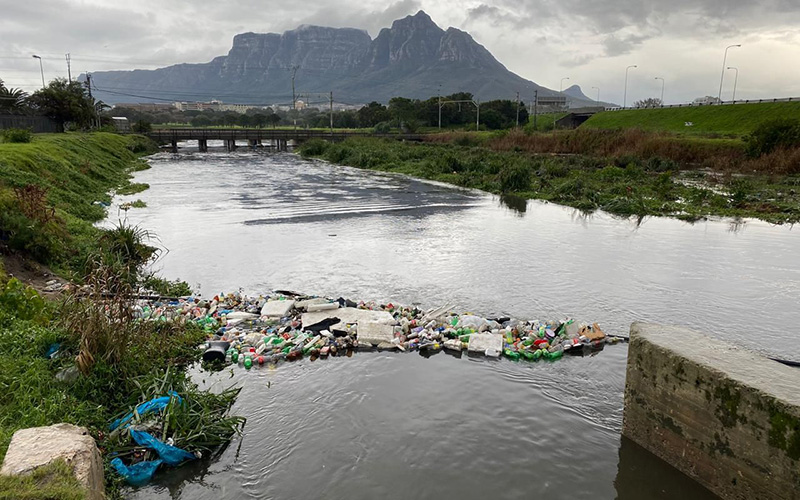
Three litter booms were installed along the Black River.
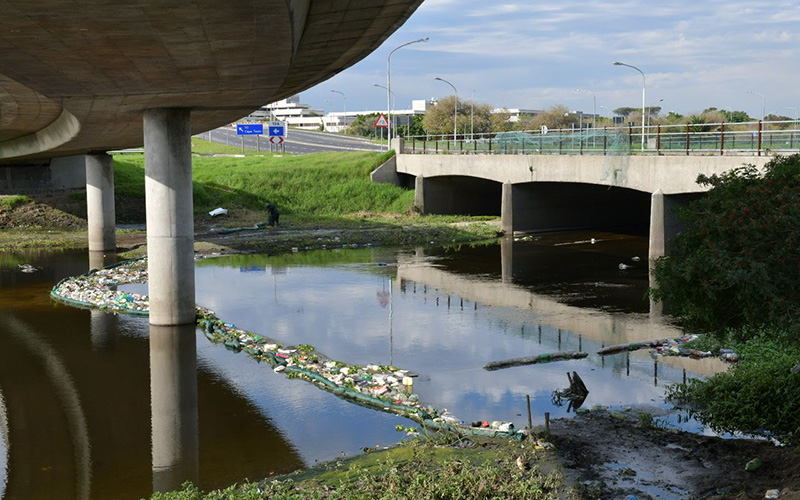
The booms trap solid waste and prevent it from reaching the ocean.
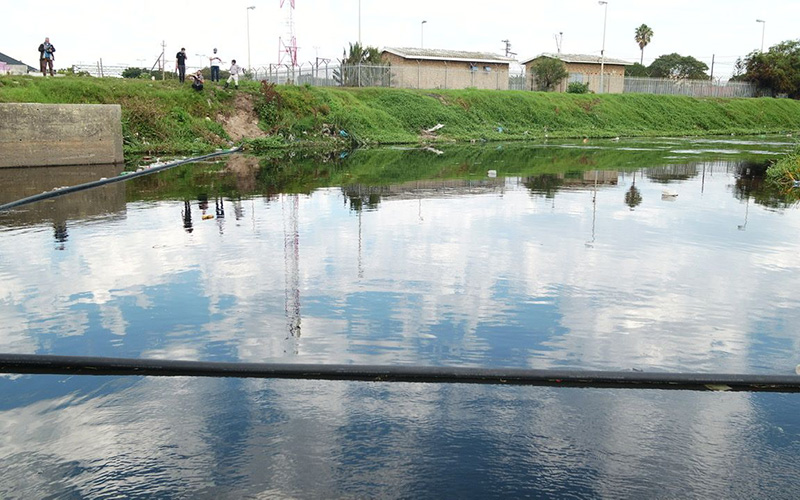
The booms are cleared of litter and other light waste every week and the waste is recycled.
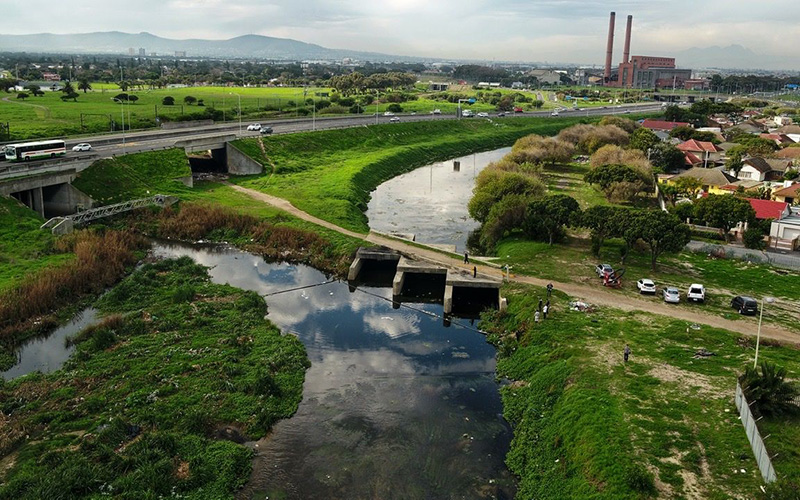
The booms are located downstream of the Vygekraal, Blomvlei, Bokmakierrie, Jakkalsvlei and Elsieskraal rivers.
The Litterboom Project
Rehabilitating our waterways
We are actively rehabilitating waterways across Cape Town as part of our Liveable Urban Waterway and Green Infrastructure programmes.
Read more about our Cape Town Biodiversity Spatial Plan and how we work on conserving our natural heritage and biodiversity. The City also creates ecological buffers to protect our rivers and wetlands. Ecological buffers are strips of natural land with plants that act as a barrier between urban development and our rivers and wetlands.
For more information on how ecological buffers protect our rivers and wetlands – and some creative ways they are being adapted for recreation – please see our Rivers and Wetlands Pamphlet.
For tips on how to look after a river or wetland on or near your property, please see Rivers and Wetlands in our Backyard, A Landowner’s Guide to Managing Wetlands and the Green Infrastructure Guide for Urban Watercourses.
Legislation
Our Stormwater By-law, Management of Urban Impacts Policy, and the Floodplain and River Corridor Management Policy provide the framework to protect our stormwater system and waterways.
Help protect our rivers and wetlands
Here are some more ways you can get involved and reduce your impact on our rivers and wetlands:
- Participate in environmental programmes that help protect rivers and restore wetlands, such as the Source to Sea Project which works to restore river corridors.
- Get involved with a ‘Friends’ group – these volunteers work together with conservation authorities to preserve an area they care about.
- Take part in our regular river cleaning projects.
- Manage your waste properly so that pollutants don’t end up in your nearest river or wetland. Sources of pollution from your home or business could include fertilisers, paddocks, pools, car-washing soaps, pet waste, car oils and paint products.
- Pick up all litter and dispose in appropriate trash containers. Keep surface areas that wash into storm drains clean of pet faeces, toxic chemicals, fertilisers, and motor oil – these eventually reach and damage our water sources
- Use non-toxic products for household cleaning, lawn and garden care.
- Reduce, reuse and recycle household items and waste.
- Plant only indigenous species of trees, shrubs, and flowers to preserve the ecological balance of local wetlands.
Fast fact
Stormwater – high volumes of surface water, usually from heavy rains – is one of the main transporters of contaminants to rivers, wetlands and coastal areas. See how we manage our stormwater system.
Remember
To report illegal activity like dumping or clearing of rivers or wetlands call 0860 103 089.
Document downloads
Would you like to print this page?